

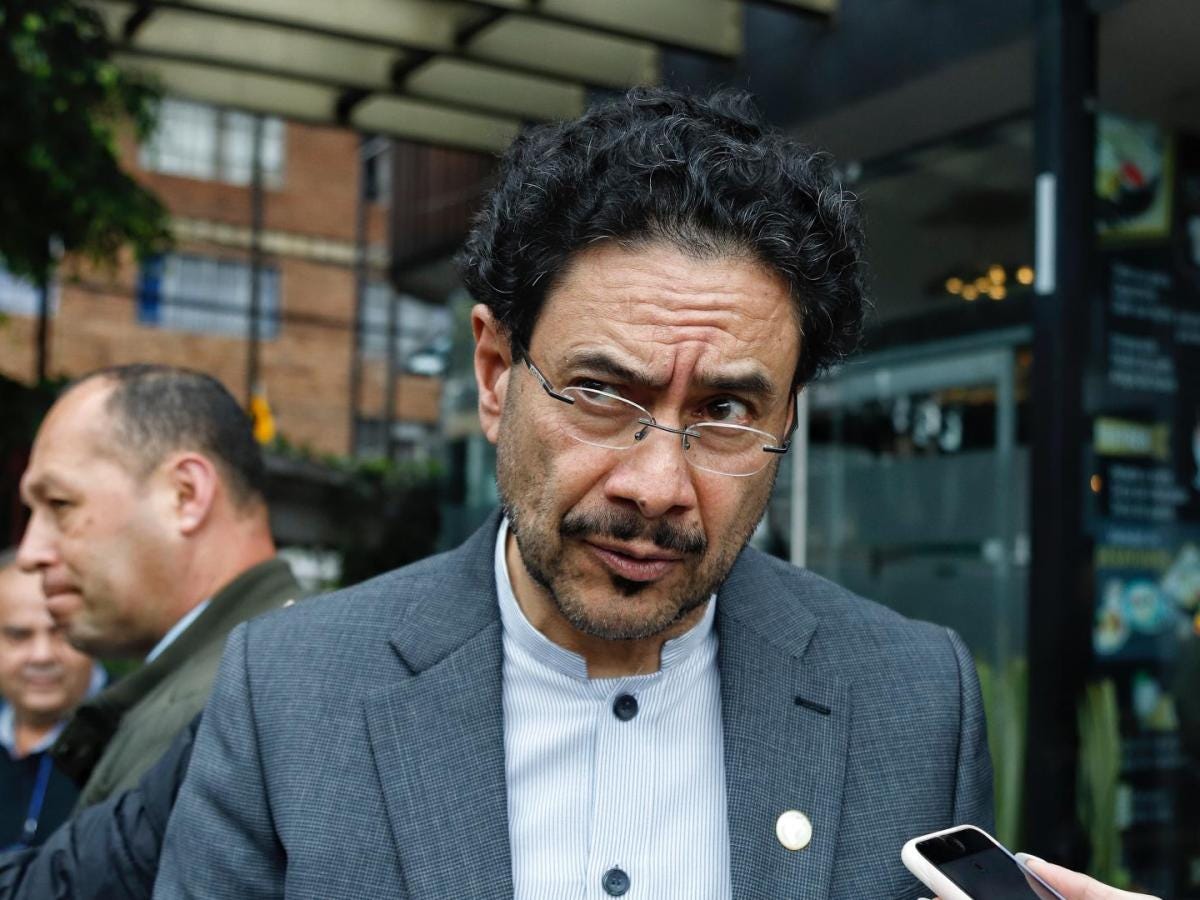
With the first round of Colombian presidential elections just a few weeks away, leftist candidate Ivan Cepeda — hand-picked successor to current President Gustavo Petro — is miles ahead of his competition.
In the most recent available poll, he has moved within striking distance of winning outright in the first round on May 31.
An Invamer poll last week posted his support among likely voters at 44.3%, and he is trending upwards. Cepeda’s support has risen alongside Petro’s approval rating in recent months and has consolidated voters behind him, if recent polling is accurate.
In February, Cepede was polling at 37.1% — enough to win the first round over his two right-wing opponents, but not high enough to beat both if their votes were consolidated in a second round.
That has changed, even as conflict and attacks by armed groups have killed more than two dozen in recent weeks as elections get into full swing.
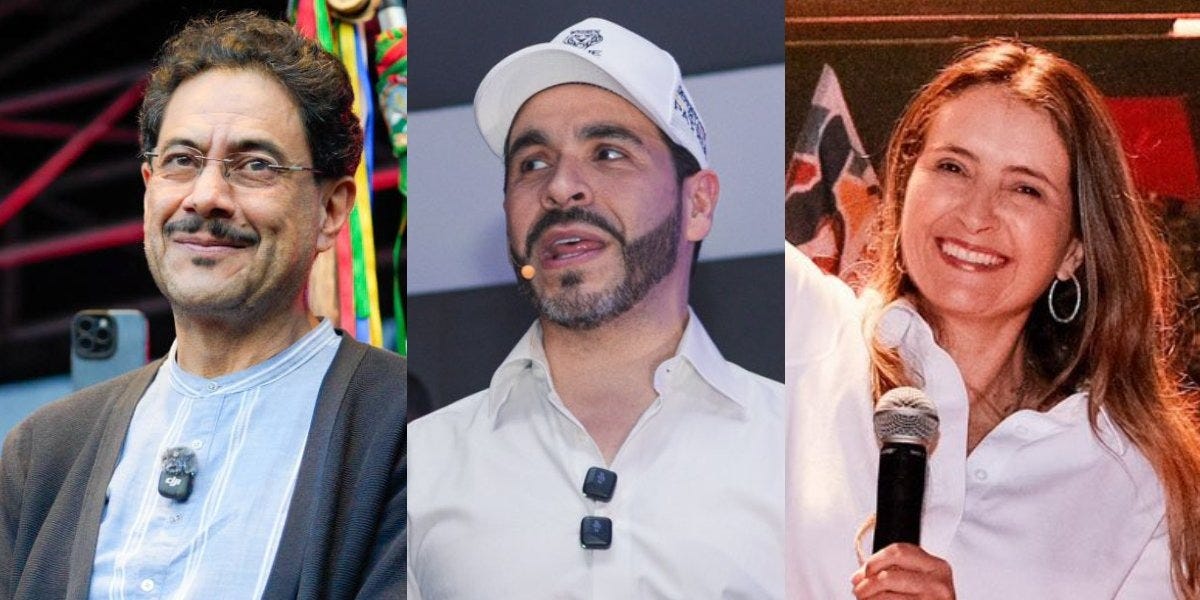
Currently in second place is far-right lawyer Abelardo de la Espriella, at 21.5%, followed by ultra-right-wing Senator Paloma Valencia at 19.8%.
Valencia has been endorsed by ultra-right-wing icon, former president, and convicted criminal, Álvaro Uribe, who leads the “Uribista” movement in the country.
Abelardo, who comes from a right-wing political dynasty in Colombia, has referred to current President Petro as “evil.” He is presenting an economic plan modelled on austerity in the vein of Argentina’s Javier Milei, whom he publicly admires.
He is also the former lawyer of Alex Saab, the Colombian businessman whom the US claims served as the “frontman” for former Venezuelan President Nicolas Maduro.
Valencia carries strong support in Antioquia, the traditional seat of power for “Uribismo,” and is running on a campaign criticizing Petro over security issues and the rising power of criminal armed groups in the country.
She often also claims that Cepeda will bring about an autocratic government in the vein of former President Hugo Chavez in Venezuela, as well as destroy the economy.
They are the same claims Uribista candidates made about Petro in both elections he participated in. Neither prediction came true.
Petro’s rising popularity in recent months has been viewed by some experts outside of the country as something of a contradiction. His core political project, “Total Peace”, which involved negotiating directly with armed groups in return for their eventual disarmament, has suffered serious setbacks.
Some of those failures were self-inflicted by an administration that has at times taken a chaotic approach to peacebuilding, such as when shortly after taking office, Petro announced a unilateral ceasefire agreement with the country’s five largest armed groups.
All but one of those agreements, which were granted by the government without enforcement protocols or asking anything in return, have since collapsed. Violence has also steadily risen in rural areas as criminal groups have consolidated territory — a dynamic that began during the presidency of his predecessor, Ivan Duque.
His economic agenda of broad reform in one of the most unequal countries in the world was broadly blocked by opposition lawmakers in Congress, including a signature health reform bill.
However, despite rising external debt, Colombia’s economy is growing, and the peso is strengthening. Petro did manage a series of raises to the minimum wage in four years that have greatly outpaced inflation — an almost 30% increase total.
Perhaps most importantly, however, the right wing has offered no new ideas to poor or rural voters in the country, two areas where Cepeda draws strong support.
Instead, they still speak of “Castro-Chavismo” and “the evils of socialism,” as they have for decades, despite the fact that their main boogieman in past elections, Maduro, has been captured by the United States, and his replacement has made it clear she favors market-friendly US policies in the country.
Both right-wing candidates have promised “Total War” against armed groups in the country. It is the same dynamic the right has offered for decades, and which failed to stem their growth.
Valencia and Abelardo enjoy support in urban centers where Bogota has focused on investment in recent decades, while ignoring more rural communities — the same communities threatened by ongoing low-intensity conflict.
It may be a sign that voters most affected by conflict are not swayed by their “iron fist” strategies to combat violence. Those communities have seen those tactics before. And they have seen them fail.
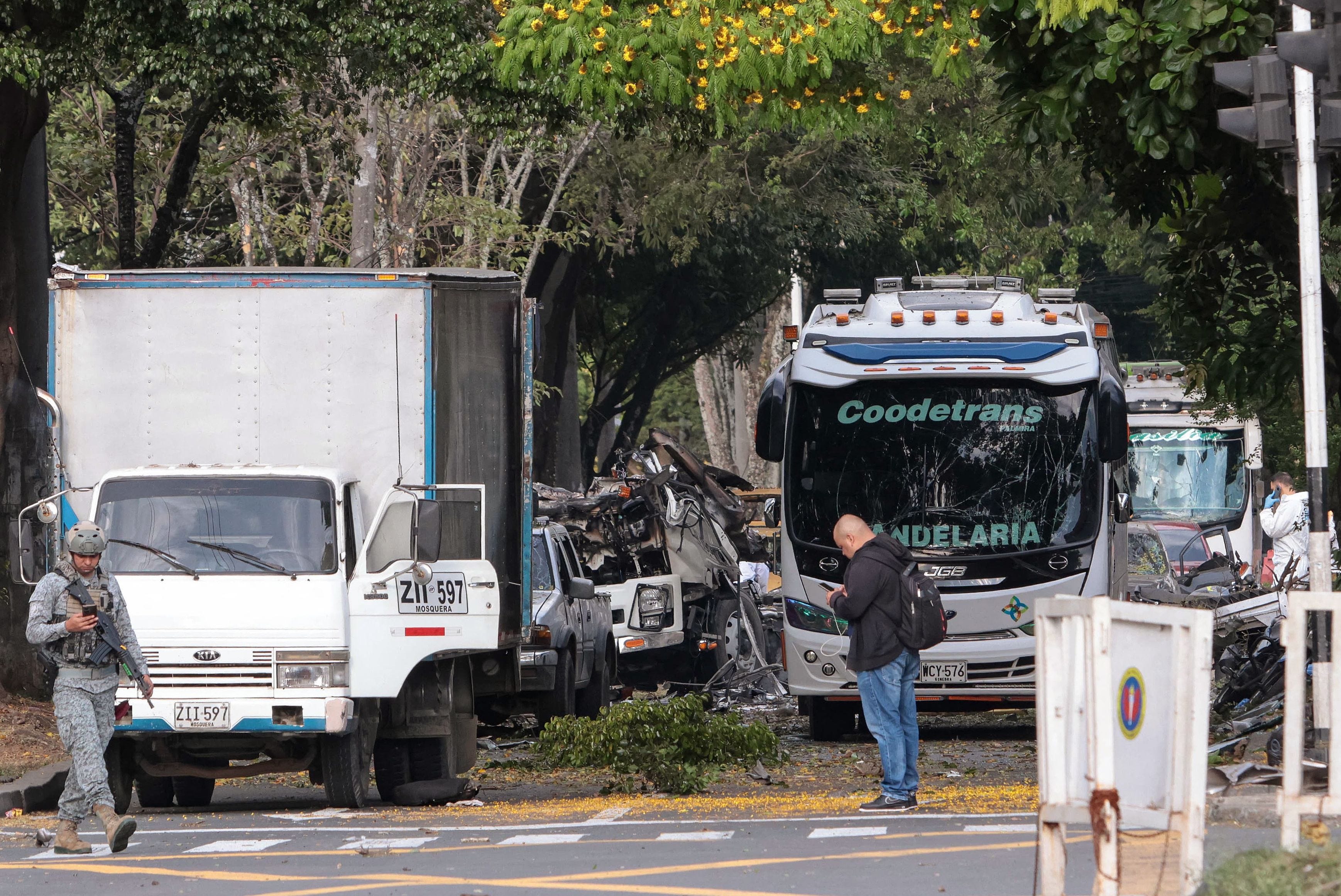
Petro has called recent attacks on civilians by the FARC dissident group EMC “terrorism,” claiming it is “being carried out to undermine elections.”
Petro has taken much more aggressive measures against EMC in particular over the last two years, even at times using the phrase “Total War” himself, as the group has repeatedly rebuffed negotiations.
But the overall polling numbers, though they make for interesting analysis, don’t tell the whole story. Even in Medellin, the capital of Uribista political movements, marches carried out by the left are growing in size.
Many of the working-poor neighborhoods in the hills around the city have social organizations and civic programs where Cepeda’s party draws strong support.
During a recent PWS reporting trip to Aranjuez, a working-class barrio in Medellin, we spoke with 10 women who have been organizing food drives, mutual aid, English-language instruction, and community organizing for nearly two decades.
During the interview, every one of them expressed strong support for Cepeda, often pointing out that wealthy Uribista candidates have never made even token gestures to address the problems their communities face.
It’s an oft-used cliche that a month is an eternity in politics. Much could change before May 31. But for these women, a month is merely the blink of an eye.
They gave the right 30 years to address the issues they care about. And Uribismo never did.
You can also donate a one-time gift via “Buy Me a Coffee”. It only takes a few moments, and you can do so here.
And if you can’t do any of that, please do help us by sharing the piece! We don’t have billionaire PR teams either.
Hasta pronto, piratas!

Great article Joshua. Honestly as a foreigner I don’t know what would be best for Colombia. Anyway I leave Santa Marta for now and return in December.
Huh, Boz came out with something, I think just before this poll, predicting Valencia would win the whole thing....Anyway, thanks.