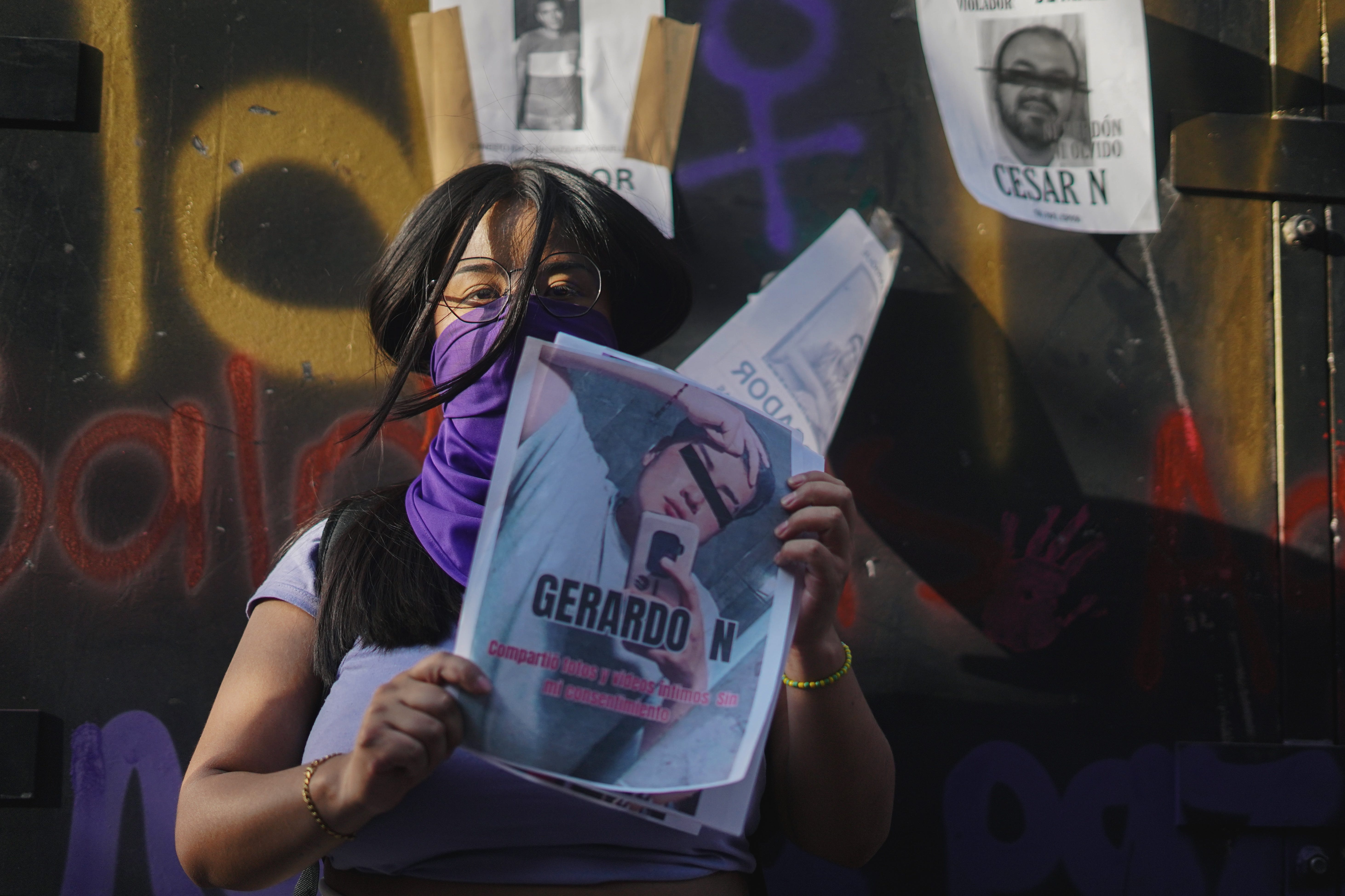
Although thousands of miles apart, women in Mexico and Colombia face many of the same threats against their lives, and share a long history of resistance against cultures that have often overlooked misogynist violence against them.
As thousands of women take to the streets in both countries on International Women’s Day to demand protection from gender-based violence and state neglect, many are also frustrated by the lack of progress made by their respective progressive presidents in addressing women’s issues.
Both leftist leaders, Gustavo Petro in Colombia and Claudia Sheinbaum in Mexico, have faced sharp criticisms from feminist movements for a lack of progress in addressing violence against women.
What little progress has been made is often symbolic. Colombia created a new Ministry of Equality three years ago. The agency is intended to defend the rights of women and ethnic minorities. But in practice, the state has done next to nothing to address the causes of gender based violence. 2025 ended with 621 femicides.
Sheinbaum is Mexico’s first female president, a symbolic step in terms of women’s political participation in the country. Yet, especially for poorer women, that symbolic progress has not translated into safer living conditions.
Sheinbaum herself has been the victim of sexist attacks. Once, while walking through the capital, a man approached her, bypassing her security detail and making sexual advances as he groped her.
In both countries, and indeed across all of the Americas, the causes of violence against women are deep: both structural and cultural. It is a trend that presents a huge challenge for governments across the continent.
A crisis of Institutions in Colombia
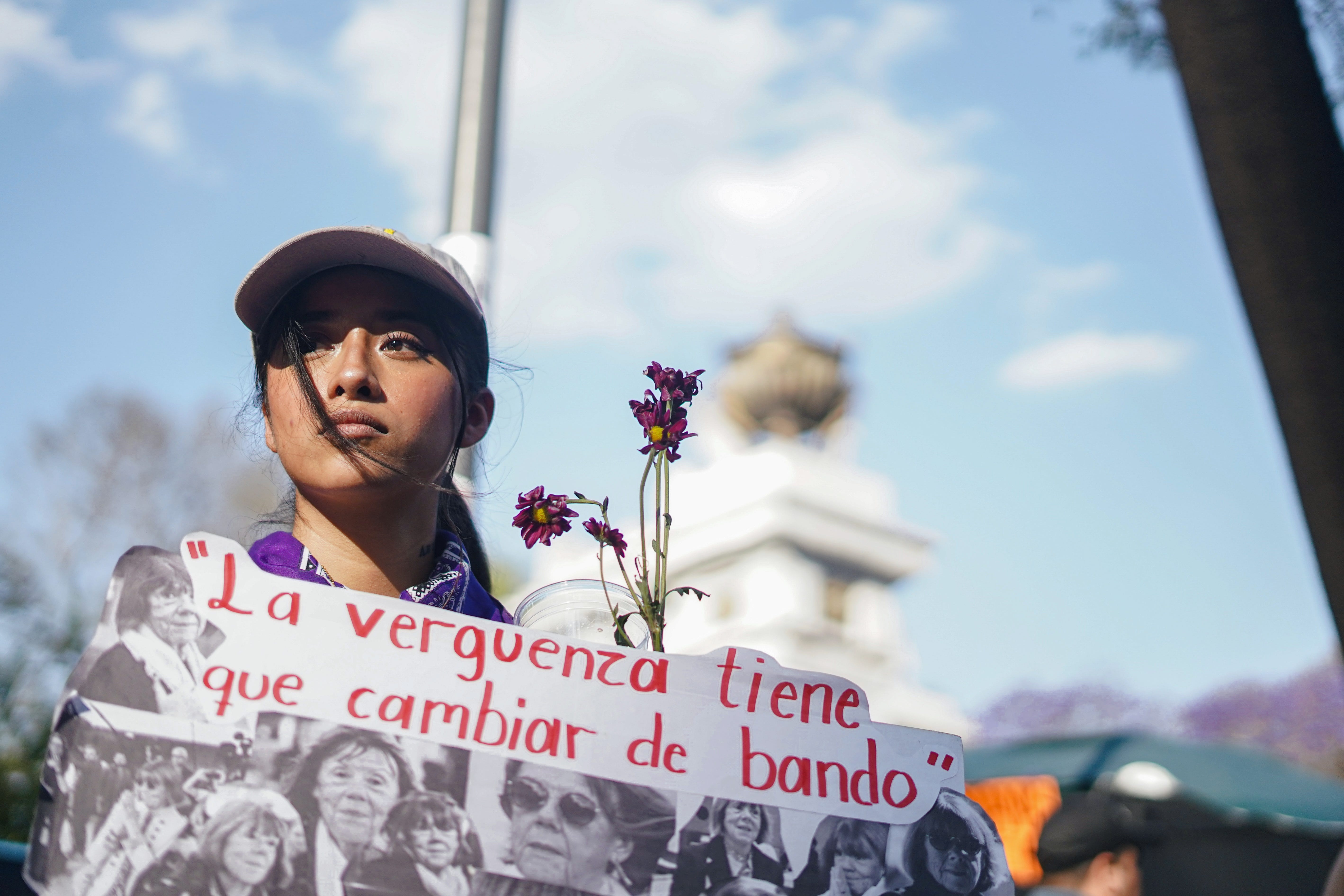
In Colombia, the state does not know how many women are murdered each year for gender-based reasons. There is no single entity that records this data reliably. Instead, civil society NGOs have been responsible for assembling the data through their own means. This gap in the record has made it impossible to gauge the magnitude of a problem or create effective prevention policies.
This difficulty in addressing gender-based violence at the institutional level is one of the enormous challenges to women’s safety in Colombia. Although femicide is the culmination of gender-based violence, it is always preceded by other types of aggression that the state fails to address, leading in many cases to the murder of women and even women and their children. Gender-based violence, defined as an assault in which gender is the motive for the attacker, is not specifically criminalized in Colombia, unlike in countries such as Mexico or Spain.
On several occasions, women who have suffered attempted femicide have demanded protection and government support. Even so, obstacles persist from the moment a complaint is filed with the police, highlighting that this is a structural problem.
In many cases, it is the police themselves who commit gender-based violence against their partners, or women they encounter as part of their duties. This situation is not new.
In 2017, the Constitutional Court, addressing peace-building issues in the country, warned: “The responsibility of administrative and judicial authorities when their actions or omissions cause harm to women who report acts of violence.”
But the barriers go further, even when it comes to justice. In the context of March 8, Pares Foundation, a human rights watchdog organization, released a report that sharply criticizes Colombia’s Prosecutor’s Office. According to the document on reports, only 29.66% of reported cases of femicides in the last seven years resulted in convictions.
Incessant and insidious disappearances in Mexico
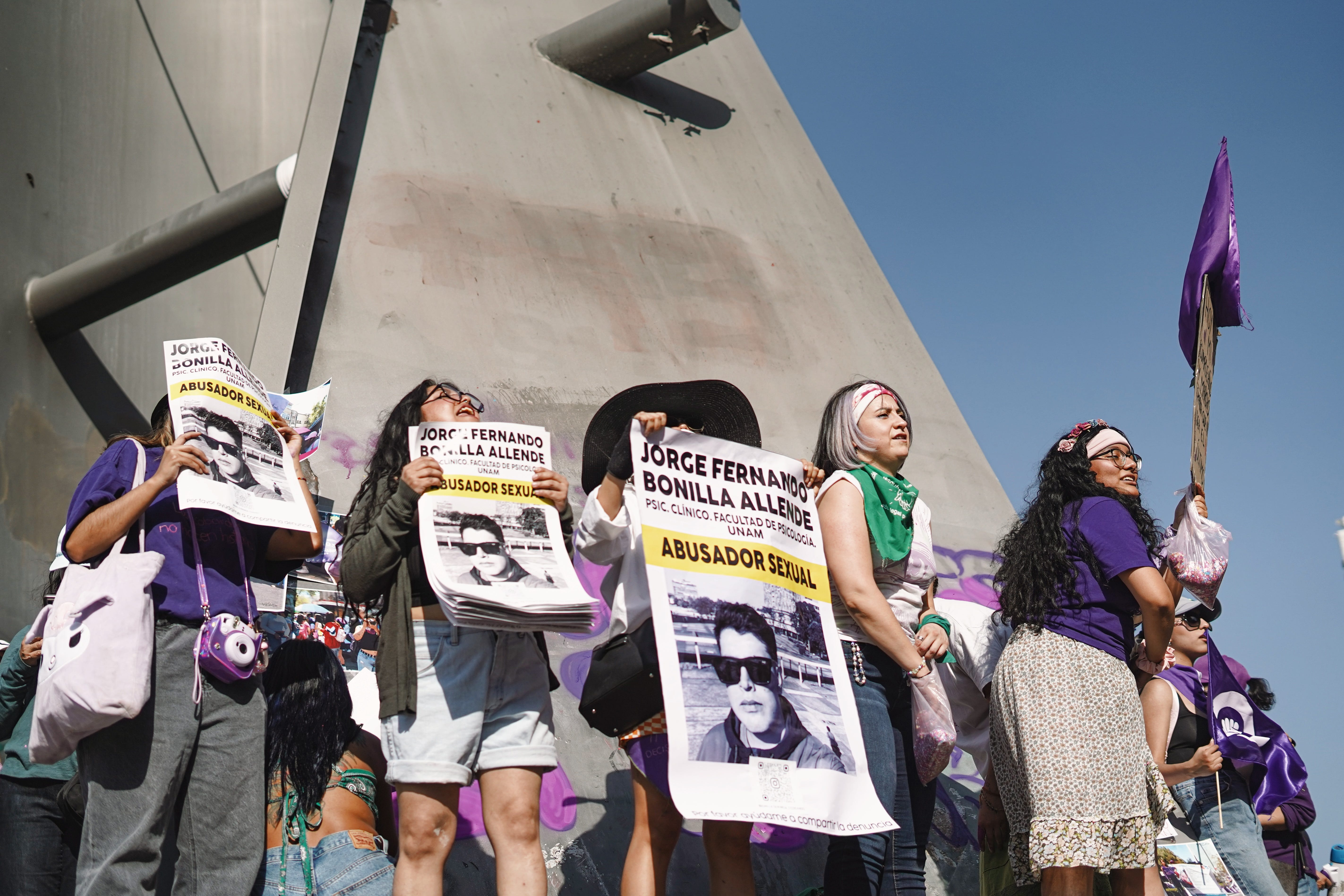
Although disappearances in Mexico are not exclusively gender-based, the task of searching for those who disappear is. This has historically been a feminized task, undertaken by mothers, daughters, sisters, and wives. They have been the targets of criminals, but they have also been the ones demanding justice amid the violence.
Added to this are the disappearances of women who, in most cases, end up being victims of femicide and sexual violence. The recent case of Ana Nute, a woman who disappeared after taking a motorcycle taxi in Mexico City, inspired international outrage when civilian-led search efforts later encountered her lifeless body. For many women, the episode highlights the violence or threats of violence that they face daily in the country.
The streets of many of Mexico’s cities are filled with posters of women who have gone missing. “Se Busca” is, sadly, an all too common phrase in the country.
But, in addition, as in Colombia, institutional inefficiency, or outright ignoring women who have been victims of violence, are the biggest barriers to curbing gender violence.
On March 8, the newspaper Milenio published an in-depth analysis that sheds light on machismo in the country. The data points to drug-related violence as a multiplying factor in an already dire situation.
Nineteen women in Mexico disappeared every day between 2022 and 2025. More than 28,000 women were reported missing, half of whom were minors, in three years. At least nine women were killed every day in the country in 2025 alone.
Insufficient efforts and broken promises
This March 8, women in both countries find themselves facing another bleak scenario. Hundreds of demonstrations have been called in Mexico.
In Colombia, the date coincides with legislative elections, but marches have been scheduled for March 15. In both countries, girls, adolescents, and women continue to be examples of resistance, sisterhood, and struggle. But the marches also highlight the broken promises of governments that marginalize our voices.
And that is why, until our lives are a priority, we will continue to take to the streets.
You can also donate a one-time gift via “Buy Me a Coffee”. It only takes a few moments, and you can do so here.
And if you can’t do any of that, please do help us by sharing the piece! We don’t have billionaire PR teams either.
Hasta pronto, piratas!