The United States and Venezuela sign military cooperation deal
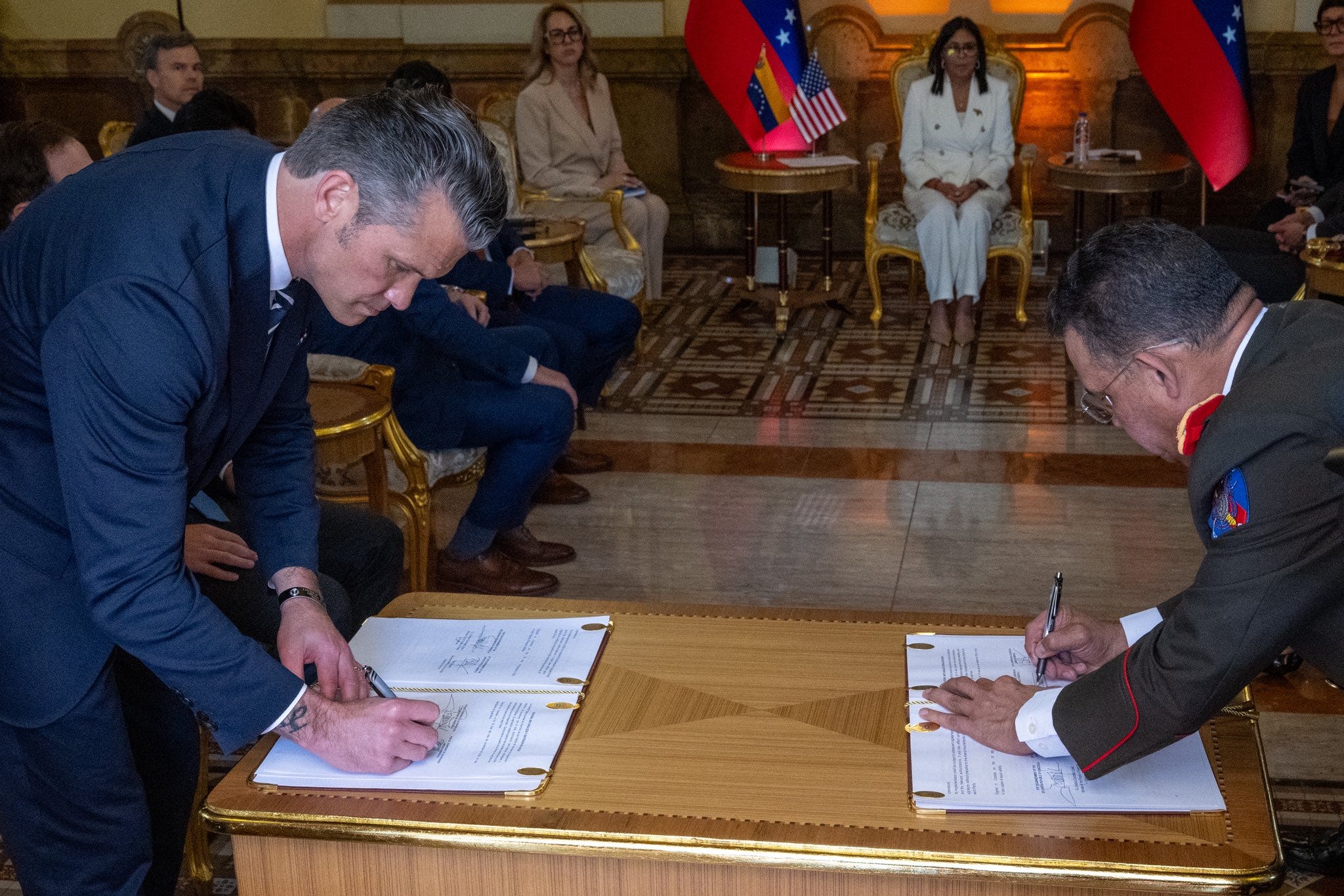
US Secretary of War, Pete Hegseth, met with interim President Delcy Rodriguez on Wednesday to sign a deal formalizing military cooperation between the two countries.
The deal is clearly a priority for Washington. Venezuelan forces have carried out at least two domestic bombings with support from the US military: the killing of “Niño Guerrero,” a Venezuelan gang leader, in the Orinoco region, and an aerial strike on fighters from the Colombian rebel group, the National Liberation Army (ELN), in Apure.
Hegseth made it clear that US priorities are not repairing a badly damaged power grid that leaves most Venezuelans without electricity for 6-8 hours a day, or elections, but rather going after criminal groups the US considers a threat.
In a speech at the US embassy in Caracas after signing the deal, Hegseth said: “to the narco-terrorists who abuse this [Venezuela] as a safe-haven, we will hunt you down, we will find you, and we will kill you”.
The agreement comes as the US looks to conduct increasingly aggressive military measures across the region, including in Colombia and Ecuador.
Ecuadorian local elections
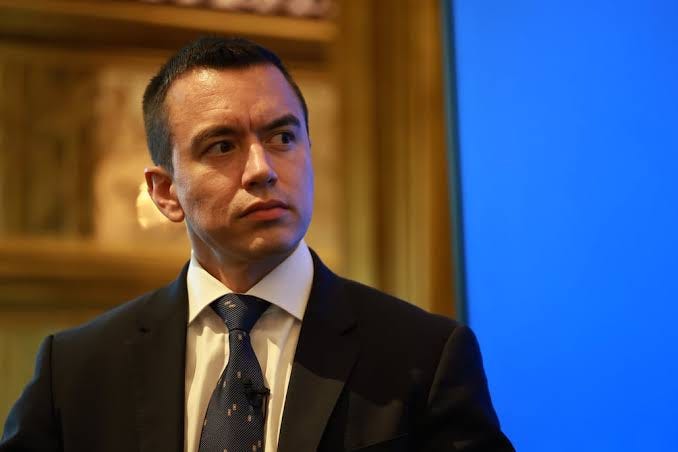
Ecuadorians go to the polls for local elections this Sunday. The vote was postponed by right-wing Daniel Noboa last year, who cited security concerns for the decision. Noboa’s party has banned two entire parties from participating and arrested political opponents in the country from both left- and right-wing parties.
Noboa’s government has grown increasingly authoritarian, using worsening security as an excuse to persecute critics and implement aggressive military operations in the country.
Many experts view upcoming local elections as a way to consolidate his power in the country at the municipal and provincial levels, paving the way for greater control over Presidential elections in 2029, when Noboa is widely expected to run for another term.
Ecuador is increasingly becoming a state that functions effectively as ‘competitive authoritarianism’, a system in which real elections are carried out, but state and media power heavily tilt the playing field toward the ruling party.
We’re discussing that a bit more in-depth in a video essay this week, so stay tuned!
El Chapo Isidro captured
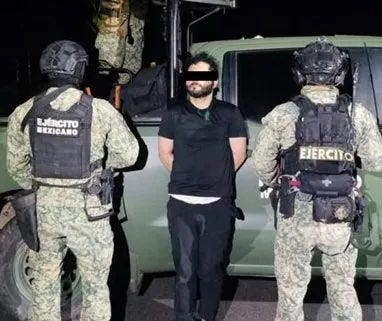
Mexican security forces captured Fausto Isidro Meza Flores, known as El Chapo Isidro, the alleged leader of Los Mazatlecos, a gang in Sinaloa.
The operation, carried out on Friday, included support from the US Army, Coast Guard, and multiple US Intelligence agencies.
The raid was carried out by Mexican security forces and resulted in a heavy gun battle that killed two Mexican soldiers and at least 7 cartel gunmen.
US and Mexican officials hailed the capture as a victory. Meza Flores is wanted in Mexico for charges relating to organized crime, and in the US for drug trafficking.
“Results like these don’t happen overnight. They are built on sustained cooperation and trust. This is what partners can accomplish together,” US Ambassador Ronald Johnson said in an X post.
Meza Flores is also an ally to “Los Mayos”, a faction of the Sinaloa Cartel, which the United States designated as a “foreign terrorist organization” last year.
Previous arrests or killings of “kingpin” figures in Mexico have failed to stem the rising power of organized crime groups, though homicides in the country have dropped during the last two years.
You can also donate a one-time gift via “Buy Me a Coffee”. It only takes a few moments, and you can do so here.
And if you can’t do any of that, please do help us by sharing the piece! We don’t have billionaire PR teams either.
Hasta pronto, piratas!