

Argentina is officially in a recession
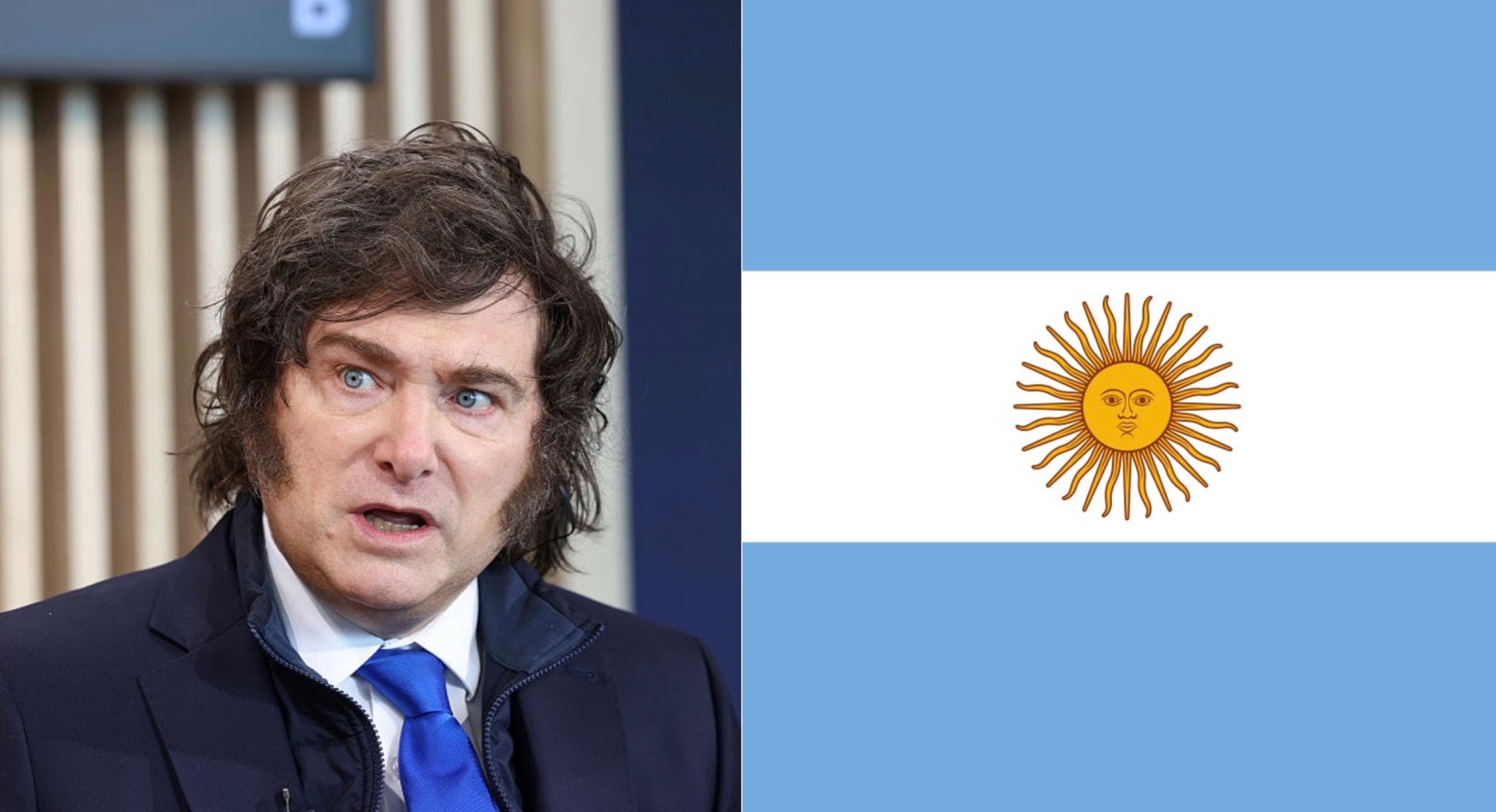
Argentina officially fell into a recession this month, according to data from the Argentinian government and the International Monetary Fund (IMF).
The economy contracted in October for the second month in a row. Nearly three years into Javier Milei’s austerity measures, formal jobs are disappearing, the cost of living is rising, and though peso inflation dropped during his first two years in office, it has stagnated since July.
Milei made drastic cuts to government spending to balance Argentina’s budget and begin paying down debt. But austerity measures have failed to spur investment.
As poverty increases in the country, consumption is falling, and a lack of investment means Argentina’s Gross Domestic Product (GDP) is falling as well.
Formal employment in the country has fallen for 13 consecutive months even as consumer prices have risen.
Despite the clear indicators, Milei denies that the country has entered a recession. He claims instead that the indicators mean “a slowdown in the pace of expansion,” and that his policies will soon show different results.
Argentina holds Presidential elections in October of next year, and Milei will almost certainly seek a second term. Milei heavily focused his campaign on fixing Argentina’s economic woes through austerity measures. Protests have already developed against his policies, and even voters who supported his presidency may lose patience with cuts to spending that are also sinking the economy if the trend continues.
Colombia goes “Plan Pistola” on EGC
As we reported last week, right-wing Colombian President Abelardo de la Espriella’s hard-line security has not stemmed violence in the country. In fact, homicides and attacks on security forces are on the rise.
But in recent days, a series of offensives against the Gaitanista Army of Colombia (EGC), often described in international media as the Golf Clan, have killed or captured some high-level leaders in the organization.
An air strike in Antioquia killed 8 EGC operatives, according to the Colombian government, including Haminton Mosquera, a reportedly high-level EGC leader in the region.
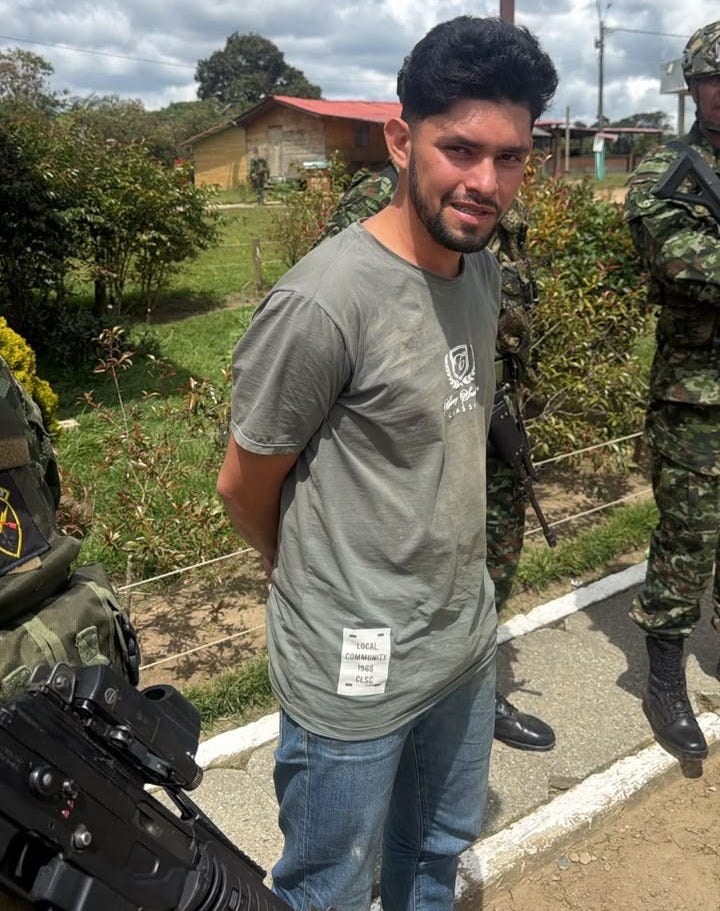
A bigger feather in De la Espriella’s cap, however, was the capture on Saturday of Néider Yesid Uñates López, a member of EGC’s top leadership, according to Colombian intelligence officials.
Called “Primo Gay”, or the “Gay Cousin,” by Colombian police (don’t ask, the police make up the weirdest names for these guys), López’s capture has been long sought across administrations.
It’s a victory for De la Espriella, but it may be a symbolic one. In the past, killing or capturing EGC leaders has not translated into slowing the growth of the largest non-state armed group in the country.
Bukele does Haiti
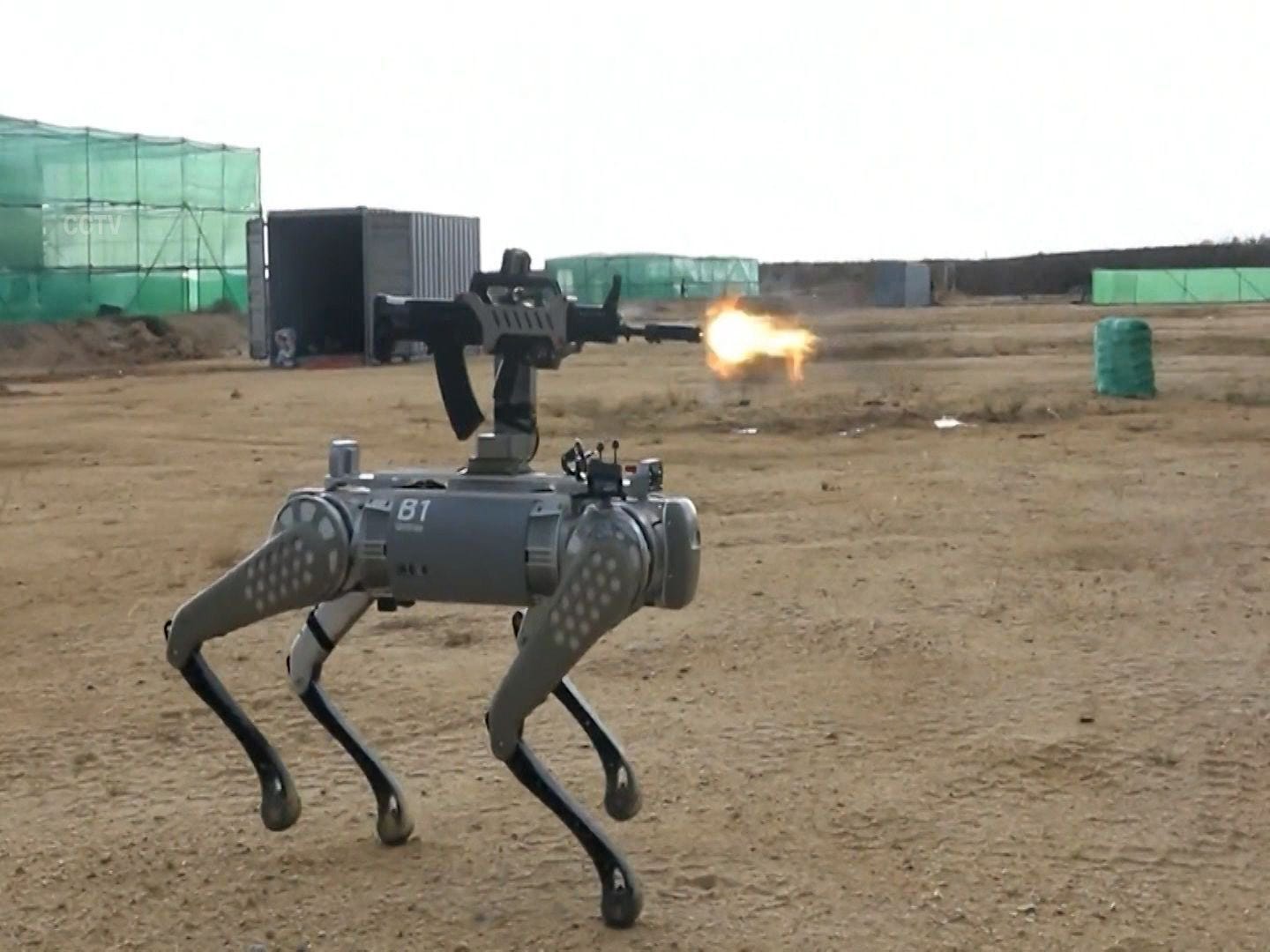
As we’ve been covering in our video updates, Salvadoran President Nayib Bukele’s troop deployment has swung into action. Bukele, per his style, is releasing videos of Salvadoran forces conducting patrols, and images of attack helicopters bombing alleged gang compounds (and robot dogs with machine guns).
The Salvadoran forces, however, are not coordinating with the UN-backed Gang Suppression Force (GSF), Haitian security officials, or private contractors in the country. This is already leading to problems.
US Diplomats accused El Salvadoran forces of firing in the direction of GSF operatives and hitting the US embassy with gunfire. El Salvador denies the accusation.
As with most journalists and analysts, we’ll be watching Haiti closely over the next few weeks and months. Will Bukele succeed where the Kenyan-led mission, and the GSF failed?
It seems unlikely to us, but this region is anything but predictable.

You can also donate a one-time gift via “Buy Me a Coffee”. It only takes a few moments, and you can do so here.
And if you can’t do any of that, please do help us by sharing the piece! We don’t have billionaire PR teams either.
Hasta pronto, piratas!

Thanks, Josh, very precise and informative as usual. The Argentina update was unexpected by me. All the best for your continued dedication.