


Cuba releases political prisoners as oil blockade continues: Russian tankers make deliveries
The Cuban government has begun releasing what it says will be 2,010 prisoners in a move that comes while the Trump administration puts extreme pressure on the island’s government with a suffocating oil blockade that has caused shortages and blackouts.
The Cuban announcement said the pardons were a “humanitarian gesture” in connection with Holy Week and didn’t mention mounting pressures with the U.S.
The US has been pressuring Cuba with an oil blockade that has paralyzed large sections of the country and created a humanitarian emergency.
As the US faces rising oil prices domestically, while it wages war with Iran, however, Trump has ended sanctions on Russian oil vessels in Latin America.
Russia has sent two oil tankers to Cuba in recent days to alleviate the ongoing energy crisis.
The US has been unclear about its intentions in Cuba in recent months. In mid-March, Trump stated he would “have the honor of taking the island.” Trump has threatened to remove the current leadership in Cuba. But he has also suggested he could work with the current government if the island opens itself to US investment and reforms.
US lifts sanctions on Venezuelan interim President
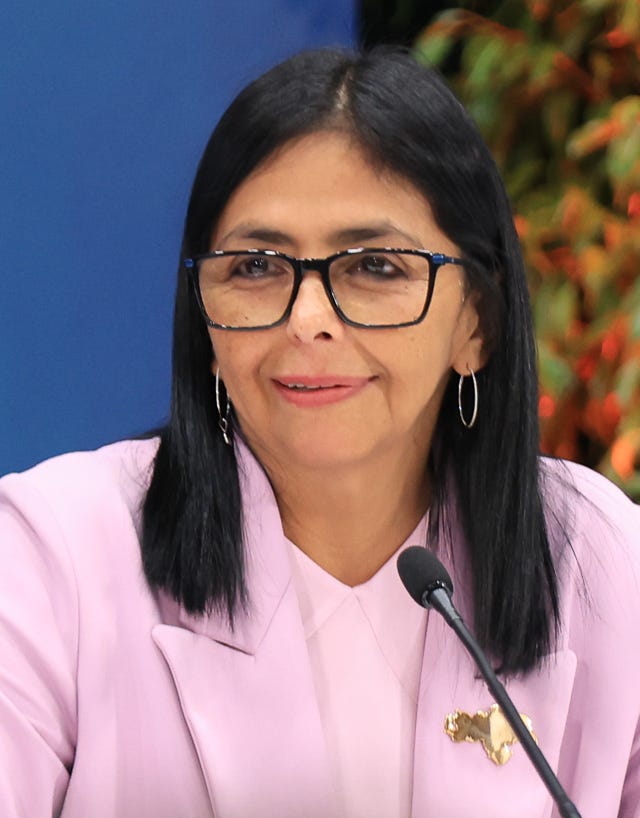
The US has ended sanctions on Venezuelan interim president Delcy Rodriguez.
Rodriguez assumed office after the US captured former President Nicolas Maduro in January.
In comments to the press shortly after the announcement, US President Donald Trump said that Rodriguez is “doing a great job and is working with the United States very well.”
The lifting of sanctions is the latest sign of warming relations between the Trump administration and Rodríguez’s team.
Her government has been largely subservient to US requests and interests since January, and has initiated efforts to open the mining and oil industries to US companies.
The US last month formally resumed diplomatic relations with Venezuela, reopening the US embassy in Caracas.
Peru heads to elections, and Peruvians hate all the candidates
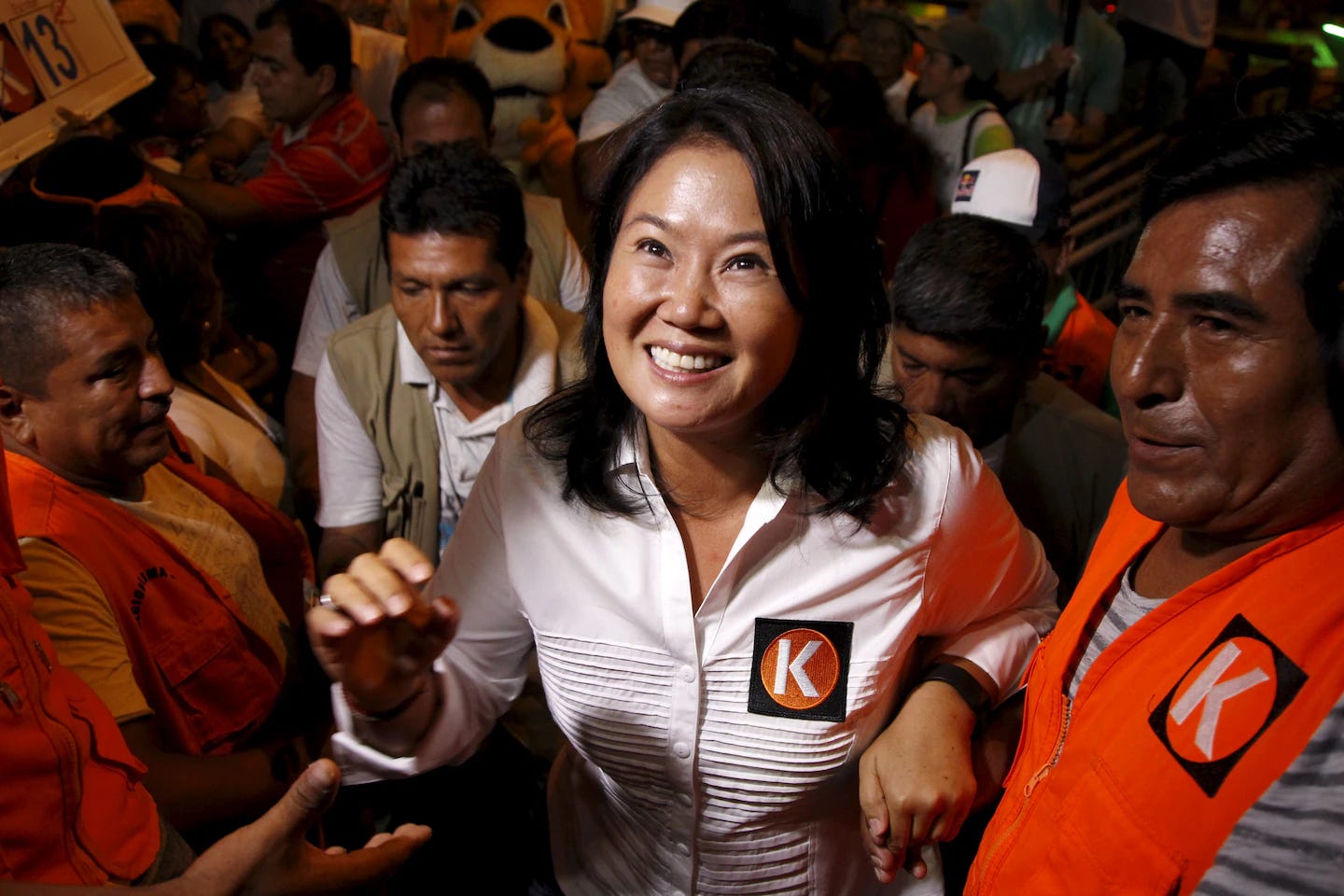
Peru will vote for a new president on April 12, amid a deep political and institutional crisis.
The Andean country held its last presidential elections in 2021, in which Pedro Castillo won. However, Castillo remained in power for only a year and a half. Since then, Peru has had three presidents, two of them chosen by Congress.
Current leader José María Balcázar is not eligible to run, as presidents need to have completed a full 5-year term to be reelected.
Peru’s crisis of representation is reflected in the highly fragmented field of candidates in the election: an unprecedented number of 35 contenders will compete. A 36th candidate died in a car crash on March 15.
None of the candidates surpass 13% of vote intention. A presidential candidate needs at least 50% of the vote to win, so there will likely be a runoff in June.
Keiko Fujimori, former congresswoman and daughter of the controversial late president Alberto Fujimori, leads the crowded field. This is her fourth presidential run.
As Peru runs through presidents, however, Congress has grown in power and become more corrupt.
The legislature has actively protected illicit economies by enacting a series of dubious reforms between 2023 and 2025. Colloquially known as the “pro-crime laws,” these have severely curtailed the investigative capacity of Peru’s Attorney General’s Office.
Congress holds a 3% approval rating in the country.
Other stories in LATAM
The US is continuing military operations in Ecuador, despite accusations that Ecuadorian forces bombed a dairy farm and tortured workers there. Last week SOUTHCOM announced a joint land operation, presumably against narcotraffickers on the northern coast. These claims should be taken with skepticism.
Residents in Central Mexico are blaming state owned oil company PEMEX for a massive oil spill off the coast which has killed sealife in the region. They accuse the government of lying about the origin of oil which has destroyed fishing and contaminated beaches. The spill of off the coast of the southern Veracruz state has spread more than 373 miles and into seven nature reserves.
You can also donate a one-time gift via “Buy Me a Coffee”. It only takes a few moments, and you can do so here.
And if you can’t do any of that, please do help us by sharing the piece! We don’t have billionaire PR teams either.
Hasta pronto, piratas!

Thanks, Josh, as incisive and direct as ever! MPK