
Venezuela releases, and then forcibly re-detains opposition voice in Caracas
Venezuelan opposition leader María Corina Machado, late on Monday night, said one of her closest allies, Juan Pablo Guanipa, was kidnapped just hours after being released from prison.
Juan Pablo Guanipa was released as part of ongoing political prisoner liberations by the administration of Venezuelan President Delcy Rodríguez. He was detained by security forces for almost 8 months before his release yesterday.
The claims by Machado were later confirmed by Guanipa’s family, who said he was abducted by “10 heavily armed men in civilian clothes.” They asked the kidnappers to release proof of life immediately, and called for Guanipa’s return.
Venezuela’s public prosecutor’s office said this morning that Mr. Guanipa was rearrested shortly after his release for “violating the terms of his release” and was placed “under house arrest.”
The incident seems like a deliberate message from the state that although the political climate has loosened in recent weeks, extrajudicial violence will still be applied towards dissent.
We will be watching developments closely throughout the week.
Humanitarian crisis in Cuba
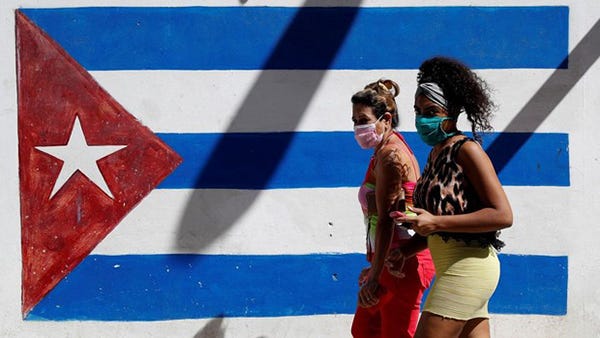
Conditions are worsening in Cuba as the US continues to impose an oil blockade on the country. The US-caused fuel shortage is halting public transportation, causing rolling blackouts, and will soon threaten the country’s ability to perform basic functions like harvesting or transporting food, and keeping the lights on at hospitals.
The Cuban government has responded with emergency rationing, cutting the hours of the workweek, limiting public bus routes, closing tourism sites, and recommending people attend school virtually, or work from home if they are able.
The country of 11 million released a warning to commercial airlines that the airport in Havana would no longer be able to provide refueling services.
Nicaragua, which had previously not required visas from Cuban citizens, announced a change in that policy over the weekend. After being asked by the US to prevent a possible emigration from the island country, the government of Daniel Ortega has closed its doors on Cuban refugees who would flee the economic and social fallout of the blockade.
We can expect more troublesome updates about Cuba in coming weeks, if not days.
Haiti’s “transitional government” disbands Saturday. No one knows what’s next
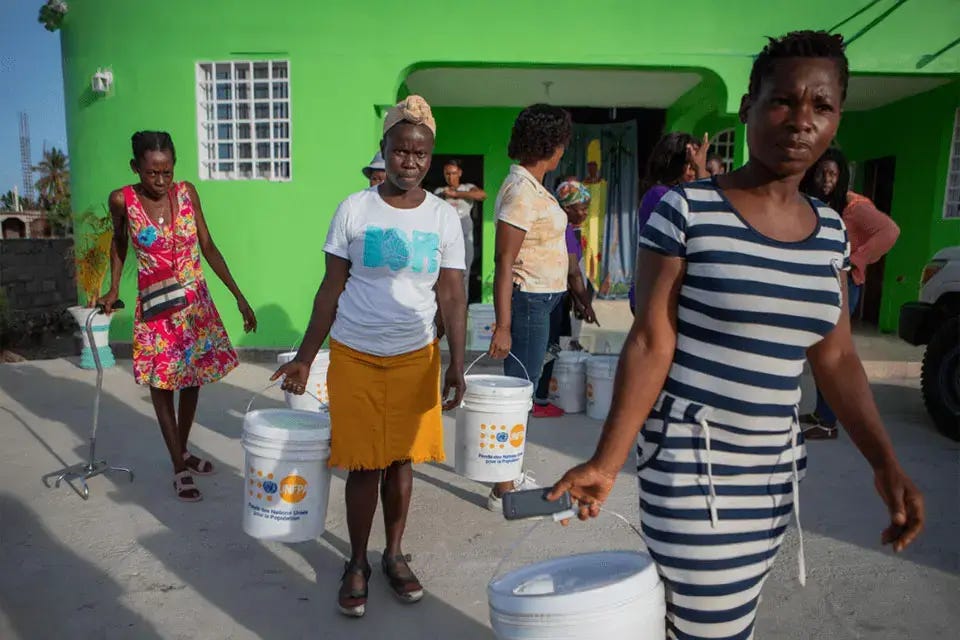
Haiti’s unelected Transitional Presidential Council (TPC) ends its mandate on Saturday , after 22 months governing a country without a president.
With no elections organised during its tenure and more than 10,000 people killed since it was established in 2024, the transition it was supposed to secure looks far off.
A new electoral calendar was finally adopted in December 2025, setting general elections for 30 August 2026, with a second round scheduled for 6 December.
But between now and then, no one knows what form the next phase will take, how long it will last, or who will lead it.
As the TPC’s mandate expires, power struggles are intensifying. At the end of January, five of its seven members called for the dismissal of Prime Minister Alix Didier Fils-Aimé — a move blocked by the transitional president, Laurent Saint-Cyr, and opposed by the United States.
Haiti has not held elections in over a decade.
You can also donate a one-time gift via “Buy Me a Coffee”. It only takes a few moments, and you can do so here.
And if you can’t do any of that, please do help us by sharing the piece! We don’t have billionaire PR teams either.
Hasta pronto, piratas!