
Venezuela! Venezuela! Venezuela!
A torrent of developments, and non-developments, in Venezuela this weekend kept our eyeballs glued to Caracas. Trump’s apparent rhetorical declaration of the country as a no-fly zone prompted some airlines to again pause flights to the country. However, he apparently walked back his comments Sunday in a White House Press gaggle, saying airstrikes in the country were not imminent.
In the same meeting, Trump confirmed that he had spoken to Maduro by telephone, though he declined to provide further details. Republican lawmakers who claimed to have knowledge of the call leaked statements to the Miami Herald claiming that Trump gave Maduro an ultimatum to leave the country.
“You can save yourself and those closest to you, but you must leave the country now,” Trump reportedly said, offering safe passage for Maduro, his wife, and his son “only if he agreed to resign right away.”
According to those same sources, Maduro reportedly refused to step down, and instead made counter offers to cede political control but retain control of the armed forces, and demanded immunity from any US prosecution.
The Venezuelan government has not commented on either the phone call or the (clearly intentional) anonymous leaks about what the two leaders discussed.
Meanwhile, a Washington Post story about the ongoing bombardments of alleged drug smuggling boats in the Caribbean has created a political firestorm for US Secretary of War Pete Hegseth.
The Post investigation claims that Hegseth ordered a ‘double-tap’ in the first US strike in early September, killing survivors of the bombing who were clinging to debris in the Atlantic Ocean — saying the order was “to kill everyone.”
Even some Republican lawmakers have described the decision, if the Post’s reporting is accurate, as “clearly illegal.” The Senate and House armed services committees promised an investigation into the September attack on Sunday.
The week brought a flurry of headlines, but taken together, nothing of note actually happened within Venezuela, despite considerable US military buildup in the region, much to the embarrassment of some ‘analysts’ on social media, who have been promising bombs for months.
Honduras goes to the polls: Trump-backed candidate ahead by razor-thin margin as count continues
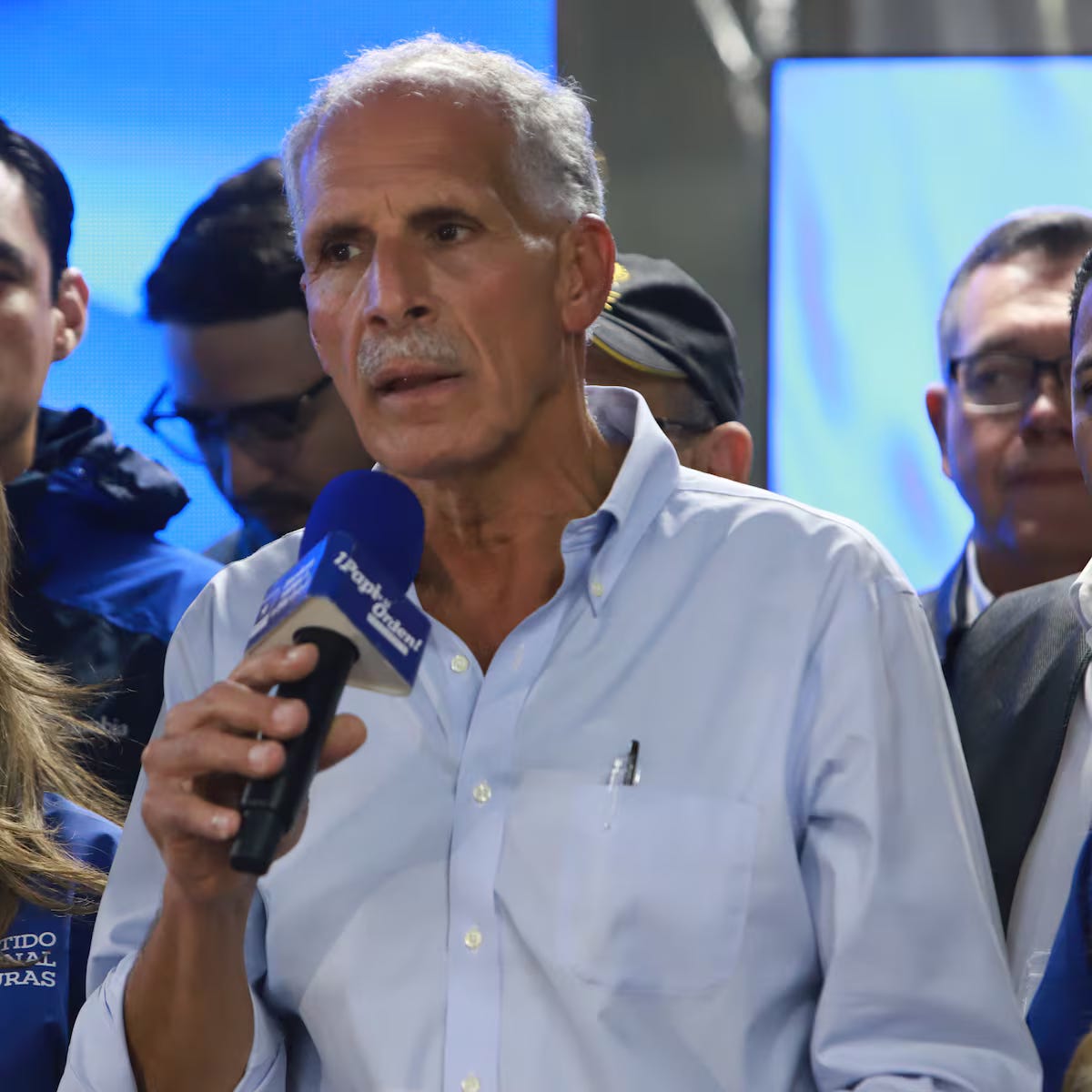
Nasry Asfura, leader of the right-wing National Party, leads ever-so-slightly as of Monday morning as the vote-count for presidential elections continues in Honduras. He leads his closest rival, current Vice-President Salvador Nasralla, by 1.5%, with just over 50% of the vote counted.
US President Donald Trump has endorsed Asfura and threatened to cut financial aid to the Central American nation if the right-wing candidate is not anointed.
In the days leading up to elections, Trump also announced plans to pardon former Honduran right-wing president Juan Orlando Hernández, better known as “JOH”, who was convicted of drug trafficking charges in a US court last year.
Hernández was convicted by US courts in 2024 of conspiring to import cocaine into the US and of possessing machine guns. He was sentenced to 45 years in prison. JOH helped smuggle hundreds of tons of cocaine into the US while in office in Honduras in return for massive kickbacks.
The announcement, combined with Trump’s ultimatum/endorsement of Asfura, has been viewed by many in Honduras as election interference.
Some analysts fear that with elections so tight, US pressure mounting, and considerable corruption among political elites in Honduras, the losing candidate may question the accuracy of elections in the country.
This is definitely a story to keep an eye on this week.
Invamer poll in Colombia shows left with strong lead ahead of Presidential elections

A poll released Sunday by Invamer, which collected preferences from voters in over 100 municipalities, illustrated how despite a sometimes rocky administration by current leftist President Gustavo Petro, the left still strongly leads the pack ahead of Presidential elections early next year.
Much has been made of Petro’s approval rating by analysts in Washington DC, which currently hovers at around 37%. Critics often use the statistic to attack Petro, but we think is crucial to point out that is the highest incumbent rating of any end-of-term Colombian president in 16 years.
Out of the previous 8 presidents, only Uribe held a higher approval rating at the end of his second term in 2010.
The poll showed Petro’s pick for a successor, current left-wing Senator Ivan Cepeda, leading his closest opponent by more than 20 points ahead of Presidential elections in May.

It is important to note that the opposition field is crowded, and five months can be an eternity in politics, especially in Colombia. The numbers will certainly tighten as the right and centrist field narrows.
But it is a dramatic showing that after the complete collapse of “Uribismo” under former president Ivan Duque (who left office the least popular president in Colombian history) anti-Petro forces have so far failed to convince the public they can present a better option.
The poll showed public disapproval on Petro’s “Total Peace” peace-building efforts, which have suffered numerous setbacks, as well his handling of deteriorating relations with the US.
Nonetheless, Petro scored the highest number since records have been kept on whether “Colombia currently is headed down the right path,” at 35%. (Colombians have historically been very pessimistic about their governments haha).
Analysts in DC have often talked about poll numbers in Colombia without their context, and holy moly is the context important in this telling.
Petro’s presidency has been tumultuous, but he also seems to have tapped into a desire for change in a country with sky-high inequality and more than half-a-century of conflict.
For the moment, a fragmented opposition has failed to convince the public that they offer anything but more of the same.
You can read the full poll here (embedded as PDF in the article).
You can also donate a one-time gift via “Buy Me a Coffee”. It only takes a few moments, and you can do so here.
And if you can’t do any of that, please do help us by sharing the piece! We don’t have billionaire PR teams either