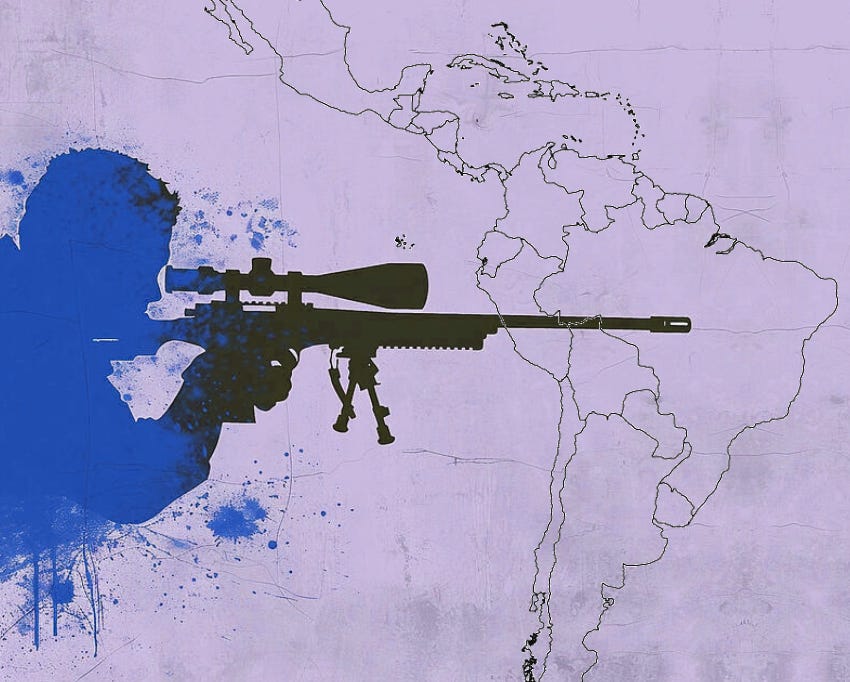
The United States is engaged in aggressive military actions throughout Latin America and the Caribbean. US military and intelligence agencies have carried out confirmed strikes in Ecuador, Mexico, Venezuela, as well as dozens of strikes on alleged “drug boats” in the Caribbean and Pacific Ocean near Ecuador, Colombia, Trinidad and Tobago, and Nicaragua.
These strikes have killed almost 200 people. No US entity has provided any evidence to support the accusations, and at least some of those murdered have since been proven to be simple fishermen.
Less hyped by Washington D.C, however, is an alarming increase in both the aggressiveness and frequency of operations carried out by the country’s infamous Central Intelligence Agency (CIA).
Not since the heyday of the Cold War have the spooks who run one of the world’s deadliest intelligence agencies been given such free rein. For many Latin American leaders who lean left, the development is a terrifying throwback to the days of CIA alliances with death squads, narco organizations, and right-wing dictatorships across the region.
Shades of the heyday of CIA “cowboys”
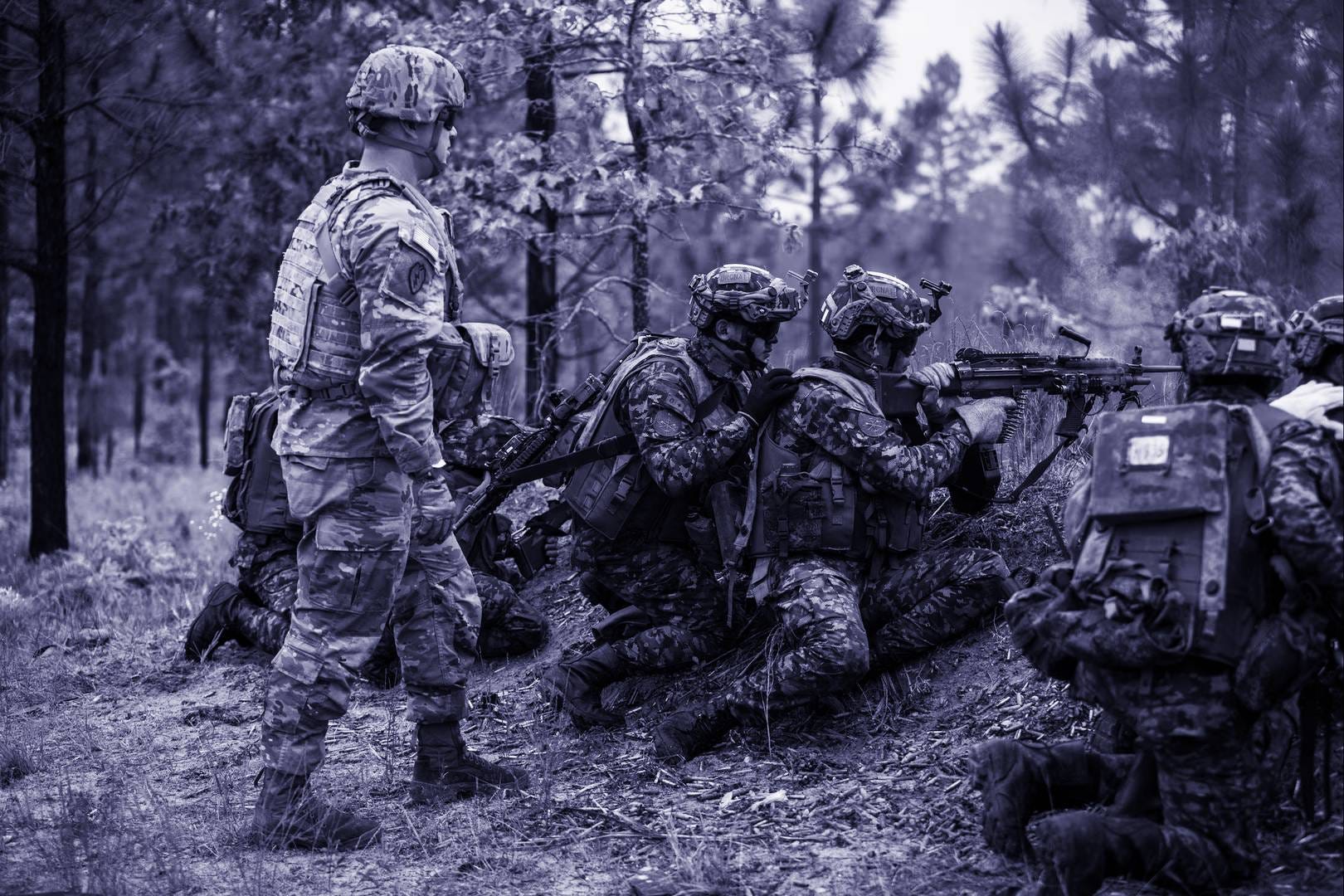
Since Trump assumed office in 2025, he has pushed for the CIA to be more aggressive in actions against cartels and non-state armed groups, as well as governments that Washington opposes.
The CIA was instrumental in the US military strike on Caracas, Venezuela, on January 3, which resulted in the capture of then-President Nicolas Maduro. According to the US State Department, CIA officials on the ground had assets within the Maduro government and even met in previous days with current “interim president” Delcy Rodriguez.
They also confirmed to sympathetic US right-wing media in the spring that the US would be ramping up both clandestine and “kinetic” operations against organized crime groups across Latin America — further stating that the CIA was already involved in numerous “counter-terrorism” operations that “most Americans will never hear about.”
US State Department officials confirmed that four operatives from the agency’s elite Ground Branch were killed in a car crash in Mexico on April 16. The agents were directly involved in ongoing anti-narcotics operations in the state of Chihuahua, according to US officials.
Since those ominous statements, we are beginning to understand at least some of the degree to which the spy agency has been conducting operations, including assassinations, across the region.
US State Department officials confirmed that CIA officers on the ground were directly involved in the capture of “El Mencho,” leader of the New Generation Jalisco Cartel, in May. Agents from the CIA Ground Branch provided direct logistical, intelligence, and equipment support in the operation that killed more than 50 people, including 25 members of Mexico’s National Guard.
CNN also reported this week that CIA officers were directly responsible for a sophisticated targeted assassination of a mid-level cartel commander just outside of Mexico City on March 28.
Francisco Beltran, who police referred to as “El Payin,” was killed instantly along with his driver after a bomb planted by the CIA detonated in their car on a busy highway.
At the time, experts speculated that the device used to kill the two men was too advanced to have been used by rival criminal gangs, an observation that led to speculation that US intelligence may have been involved even before the most recent CNN story emerged.
According to the same CNN report, the Trump administration has been building towards a more expanded and lethal CIA presence in Mexico since the earliest days of Trump’s second term.
Current CIA Director John Ratcliffe has been laser-focused on expanding the agency’s role in counter-cartel missions and related covert operations since he was tapped for the job, according to US government sources that spoke with CNN.
CIA as Diplomats, Diplomats as CIA
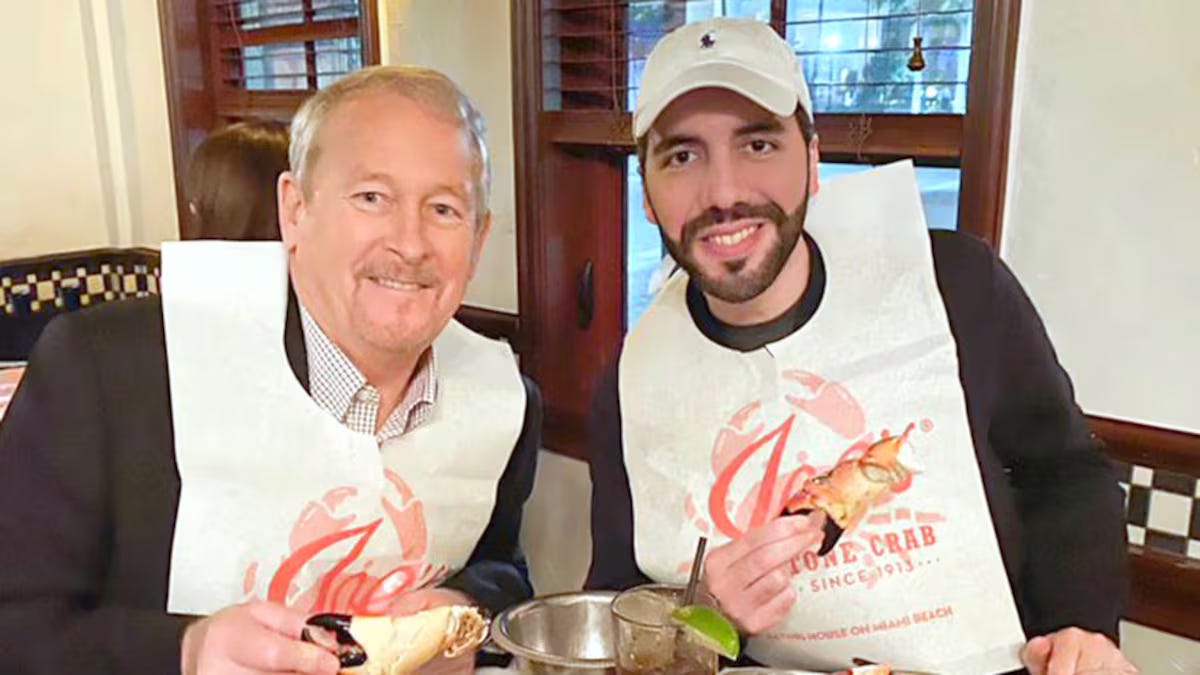
The US is increasingly using top spooks to conduct diplomatic actions, and has appointed former high-level CIA officers to key ambassador positions. State Department statements confirming CIA operations in multiple countries are also not unintentional leaks. They are sending intentional messages to those they view as enemies — at least in the regions where doing so is politically expedient.
Ronald Johnson, the US ambassador to Mexico, had a long career at the CIA before his current appointment. Immediately before Mexico, he protected Salvadoran President Nayib Bukele from investigations in both the US and El Salvador.
Ratcliffe was among the first high-ranking US officials to meet with Delcy Rodriguez in Venezuela after she was installed by the United States as “interim president.”
Ratcliffe also recently led a high-profile diplomatic mission to Cuba, where he met with Cuban officials to discuss “economic and human-rights reforms,” according to a statement by the US State Department.
Presumably, his personal role in the attack on Caracas and the capture of Maduro did not go unnoticed by Cuban officials.
The US is expected to unveil criminal charges against former President Raúl Castro on Wednesday over a 1996 incident in which a plane was shot down in Cuban airspace, piloted by anti-government Cuban exiles.
Criminal charges were similarly announced against then-President Maduro before the US attacked the country in January.
The Trump administration seems to be leaving behind long-standing, if unspoken, rules that the CIA generally operates in the shadows. Instead, the US is using them not only as an open threat but also, often, as the very messenger that delivers those threats.
Known Unknowns
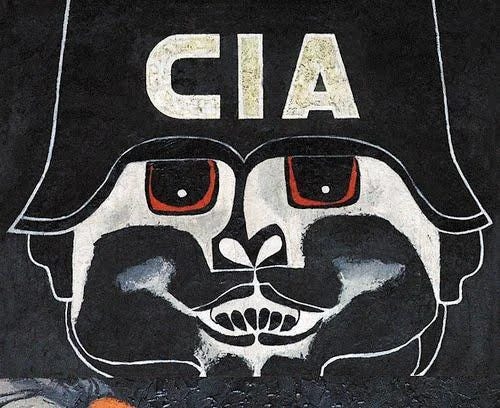
It is convenient for the US to let narcos in Mexico know the CIA is hunting them. It is also a less-than-subtle threat to any party in Venezuela that opposes US actions that the agency not only took out Maduro, but also controls his successor.
But as the US carries out kinetic actions in other countries, and where it is less convenient to unveil what type of CIA operations are ongoing, we are unlikely to have any immediate details.
US Southern Command has carried out bombings in conjunction with Ecuador in the Andean country as part of “Operation Total Extermination.” They allegedly also work closely with their Colombian counterparts in cooperation against non-state armed groups in the country.
Ratcliffe told the New York Post in February that leftist Colombian President Gustavo Petro has been “increasingly cooperative” since the US removed Maduro from power in January.
It is widely assumed that the CIA is carrying out active operations within Cuba as well. Trump has at various times threatened to overthrow the government in the region as he imposes a draconian blockade on the country, which has left the country almost completely without fuel.
The Trump administration has increasingly blurred the lines between foreign policy regarding rival states, “the War on Terror,” and migration enforcement. As part of efforts to justify US military and intelligence actions across the region, the US has declared more than a dozen criminal groups to be foreign terrorist organizations (FTOs).
The US State Department declared Mexican organizations Sinaloa, Jalisco, and Nueva Familia Michoacána cartels as FTOs shortly after taking office. They did the same with Maduro loyalists late last year.
They have also designated four Ecuadorian gangs as FTOs. All of these designations are clearly an attempt by the administration to provide legal cover for targeted assassinations, bombings, military operations, and providing intelligence to security forces they view as aligned with US interests.
Sheinbaum has denied knowing that CIA operatives were operating within Mexico alongside Mexican security forces, with the exception of the operation that led to the capture of “El Mencho.”
But deniability was almost certainly part of the deal she made with the CIA when she allowed them into the country.
We don’t know the full extent of CIA operations in Latin America, but we can safely assume that Ratcliffe wasn’t lying when he said that many more operations are currently ongoing in the region.
The US hasn’t simply let the CIA off its leash since Trump took office; they want those they perceive as enemies to know they have done so.
Latin America hasn’t seen such overt US violence and covert action in the region since the 1980s. Unfortunately for the residents here, the “cowboy” approach to spycraft is back in style.
It is an oft-quoted cliche that if history doesn’t always repeat, it often rhymes. Perhaps that is what Trump really means by the “Donroe Doctrine.”
You can also donate a one-time gift via “Buy Me a Coffee”. It only takes a few moments, and you can do so here.
And if you can’t do any of that, please do help us by sharing the piece! We don’t have billionaire PR teams either.
Hasta pronto, piratas!