
US Oil Blockade on Venezuela will be "devastating" for civil society
Advocates of the plan have argued that impacts on civilians will be minimal: those assertions are not backed up by facts on the ground

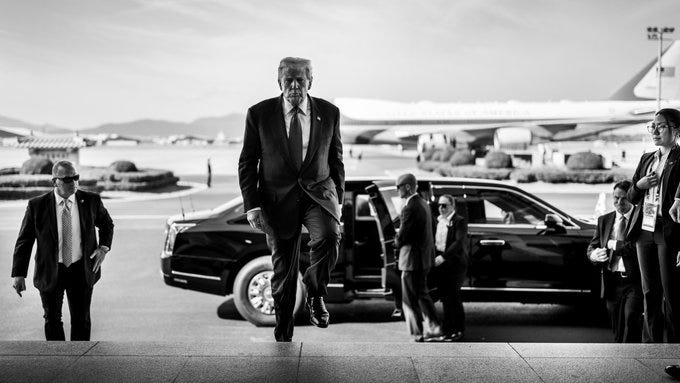
The United States has imposed a partial naval blockade on Venezuela, seized two tankers carrying millions of barrels of crude oil, and tried and failed to seize at least one more. The dramatic escalation follows a massive naval deployment off Venezuela’s coast and US bombings of alleged drug boats across the Caribbean — which have killed a total of 104 civilians.
In a statement announcing the policy, US President Donald Trump also declared that he would seize Venezuelan oil assets, claiming that they had been “stolen” from the US.
Like many actions carried out by the government of US President Donald Trump, the legality of both the extrajudicial killings and the naval blockade is highly questionable.
“A naval blockade is unquestionably an act of war. A war that the Congress never authorized and the American people do not want,” Rep. Joaquin Castro (D-Texas) said in a social media post after the blockade was announced. Castro was one of the sponsors of a failed bipartisan resolution that would have directed Trump to end hostilities with Venezuela.
The White House hopes the resulting pressure will force Venezuelan President Nicolas Maduro from power, but the impact they will have on the Venezuelan economy, which had been in the midst of feeble recovery in recent years, will be calamitous.
The blockade will be “devastating for ordinary citizens”
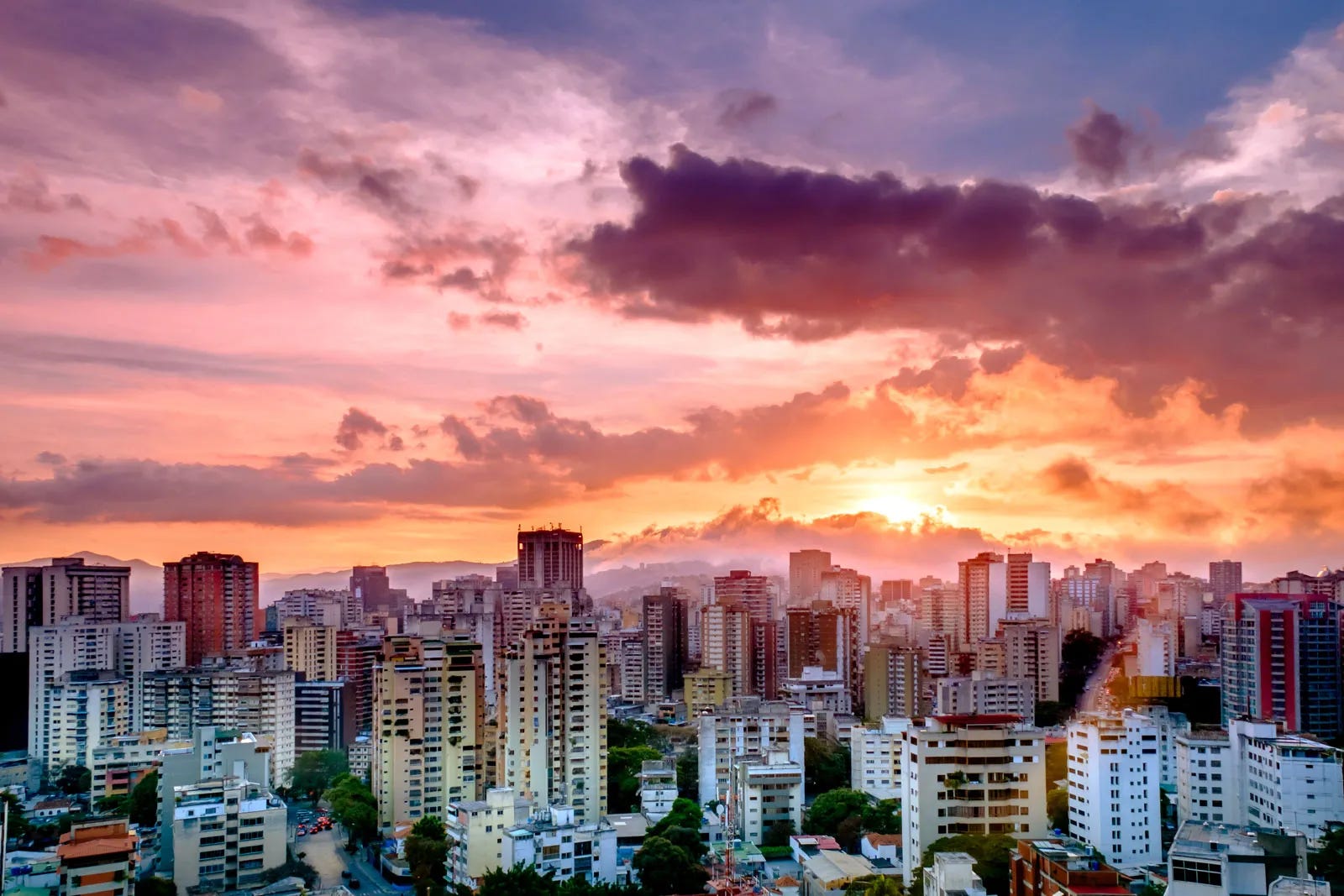
Crude oil and related products account for more than 90% of Venezuela’s export revenues, and nearly two-thirds of government operating revenue. Petroleum products account directly for 25% of the country’s total GDP.
“The blockade is going to have devastating effects on ordinary citizens,” John Polgo-Hecimovish, a professor at the US Naval Academy, told DW news on December 17.
Francisco Rodríguez, a Venezuelan economist who currently lives in the US, went even further. “Cutting off all oil revenues will cause a massive reduction in food imports,” he wrote on social media on December 15. He believes the resulting economic depression would “likely trigger the first major famine in the Western Hemisphere in modern history.”
During the Great Depression in the United States (1929-33), GDP in the US fell by almost 30% — triggering massive unemployment, a string of bank failures, and industrial collapse.
A similar hit to Venezuela’s already fragile economy could be even more ruinous.
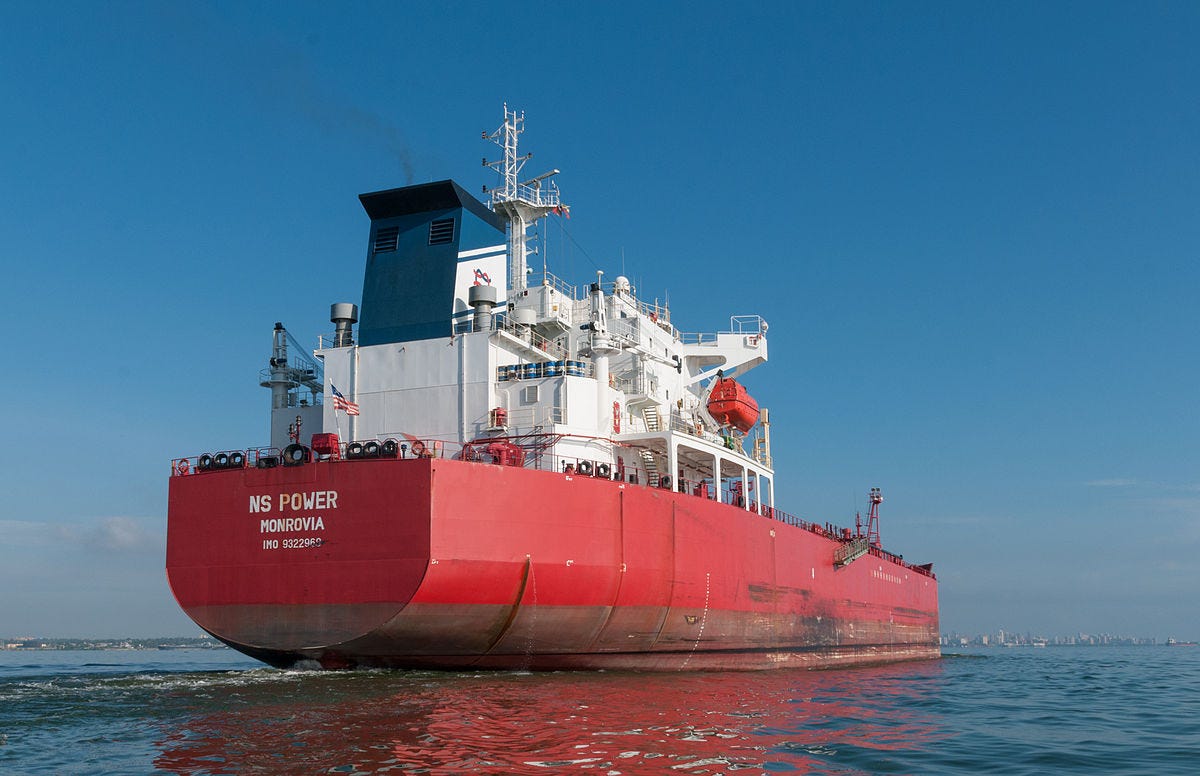
TankerTrackers.com says that only 40 percent of the active dark fleet of vessels serving Venezuela are currently under U.S. sanctions, but the White House has already tried to seize tankers that were not sanctioned — and US could in theory unilaterally sanction any vessel they choose.
Dozens of oil vessels that were bound for Venezuelan ports are already turning around, preferring vendors that aren’t under a naval blockade. The country has been forced to resort to offshore oil storage as their land storage capacities are exceeded. Chinese and Russian vessels are “unlikely to risk escalation with the United States in the Caribbean,” said Polgo-Hecimovish. Especially when Venezuelan oil exports represent less than 1% of the total global supply.
Despite being under sanctions for almost a decade, Venezuela has long sold oil to a number of countries, principally China, but also Russia, Iran, and even indirectly to some European countries.
US oil giant Chevron also operates in the country, with blessings from both the US and Venezuelan governments. The company exports 900,000 barrels of crude to the US every month — meaning the US is one of Venezuela’s principal oil clients as well.
Trump, however, has dispelled any doubt that he expects a monopoly on Venezuela’s natural resources.
Venezuela’s Economic collapse
In the last decade, Venezuela has suffered the largest economic collapse of any country in the world outside of active war zones. The crisis has multiple causes: a drop in oil prices in 2014 caused the country to default on foreign debt and curtail long-running social programs, which plunged the country into a recession.
The economic retraction was made worse by mismanagement and corruption within Venezuela’s state-owned oil company PDVSA, as well as currency flight due to parallel dollar trading (the government offered “official” dollar rates to preferred investors, who often simply traded the dollars on black markets for their real value, generating substantial and instant profits.)
Following a brutal crackdown on protests in 2017, the US imposed sanctions on the Venezuelan government, PDVSA, and a host of high-ranking officials. Canada and the EU quickly followed suit. The effect of the sanctions on an economy already in a tailspin was catastrophic.
Venezuela had already been suffering from a flight of migrants, but the numbers of those fleeing exploded as the economic crisis deepened, peaking in 2019. Since 2015 nearly 7.9 million Venezuelans have left the country in search of either protection from political persecution or better economic opportunities.
A collapse of oil revenue in the country now would almost certainly cause a similar (or possibly worse) collapse.
US intentions murky, but oil is a central focus
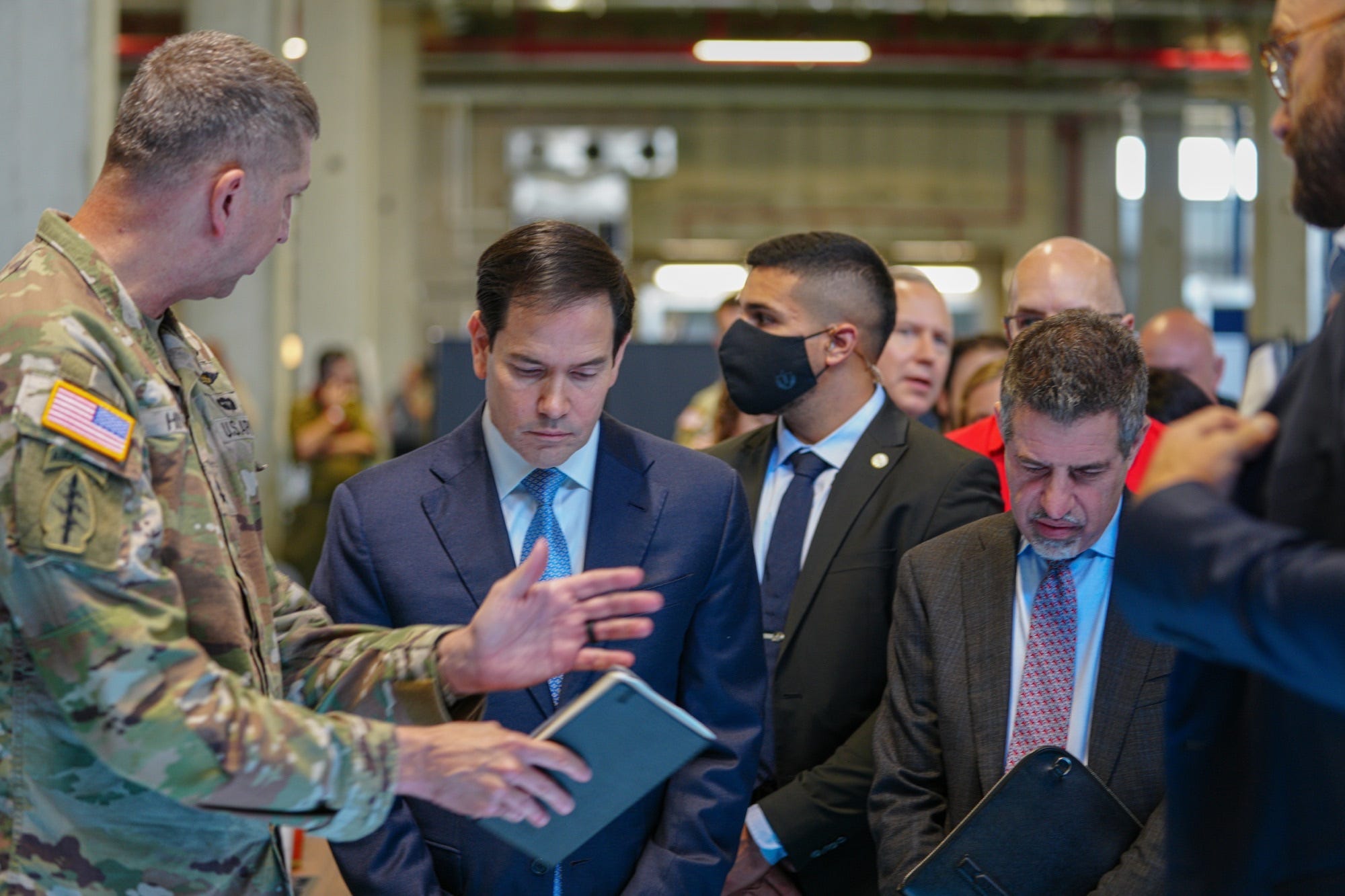
The US has sent mixed messages about its motives in Venezuela. For most of 2025, the Trump administration claimed that their escalations were motivated by “War of Drugs” policies.
US Secretary of State Marco Rubio and Trump both claimed that the Maduro government was “flooding the US with drugs,” including fentanyl. They argue Venezuelan narco trafficking amounts to an “attack” on the United States.
The Trump administration has also falsely claimed that Venezuelan gang Tren de Aragua is controlled by Maduro, who they allege uses the criminal organization to operate within US borders.
Venezuela is neither a meaningful producer of fentanyl nor a transit country for international fentanyl smuggling. And though Venezuela is a shipping corridor for cocaine produced in Colombia and Bolivia, it accounts for very little of the cocaine that ends up in the United States, according to the United Nations Office on Drugs and Crime.
But comments by both Trump and other US officials in recent days have moved away from drug enforcement rhetoric, a motive that was highly questionable even earlier in the year.
“American sweat, ingenuity and toil created the oil industry in Venezuela. Its tyrannical expropriation was the largest recorded theft of American wealth and property,” wrote White House special advisor Stephen Miller on social media on December 16. “These pillaged assets were then used to fund terrorism and flood our streets with killers, mercenaries and drugs,” he continued.
Miller is likely referring to the nationalization of oil rights in Venezuela in 1976. Though US and British companies were indeed involved in the discovery of some Venezuelan deposits, they exploited those reserves only under contract with and permission from the Venezuelan government.
When nationalization was implemented, they were also compensated in deals agreed to by all parties. Later, Maduro’s predecessor Hugo Chavez again cancelled US contracts in the country, again offering compensation for doing so. ExxonMobil, however, disputed the financial package. In 2014 an international arbitration panel ordered the country’s socialist government to pay the oil giant $1.6 billion.
In comments to the press on December 17, Trump said of Venezuela: “They took all of our oil not that long ago. And we want it back. They took it — they illegally took it.
But while Trump and Miller’s claims are nonsense, they do mark a radical change in the official tone on US motives in Venezuela.
Trump has directly threatened Maduro, insisting that he leave power, but Rubio has repeatedly denied that US goals in Venezuela include “regime change.”
Both Rubio and Trump have made a series of false claims about the Maduro government in recent months, which makes their statements on their motives questionable. But one point is clear, the Trump administration is openly looking for a payday on the biggest oil reserves on the planet.
You can also donate a one-time gift via “Buy Me a Coffee”. It only takes a few moments, and you can do so here.
And if you can’t do any of that, please do help us by sharing the piece! We don’t have billionaire PR teams either.
Hasta pronto, piratas!
Regarding your interesting article, I'd like to add a note about what the White House Deputy Chief of Staff Stephen Miller said, when he clearly refers to the "nationalization" of oil in Venezuela:
I worked for about four years with Humberto Calderón Berti, former Minister of Petroleum, Minister of Foreign Affairs, and President of PDVSA, and I witnessed not only his honesty and great sense of public service, demonstrated throughout his career serving Venezuela in various capacities, but he also enlightened me about the history of our oil, particularly about the "Reversion,” part of “Nationalization” process that he led during the first presidency of Carlos Andrés Pérez.
Mr. Miller should know that this process was so meticulous that it is cited as a reference in countless studies on the subject. I can attest to how proud Calderón Berti is of this work, which he carried out at a very young age, and CAP recognized this. So, Mr. Miller, You're lost!