Lately I’ve been writing a lot of security analysis for a risk-assessment media company. It’s much different from journalism. I’m not really telling stories in the sense journalists usually think of them.
Journalism is often, unfortunately, explaining bad news to good people, but these stories can often be told in a way that focuses on solutions or ways to change course.
Risk assessment is about everything that is going horribly wrong in the world, as well as anything one can imagine that potentially could go wrong in the world. It involves deep dives into data, long reports few people read, and a lot of time smoking cigarettes and staring off into the distance while thinking about truly awful shit.
Lately, I spend all my time studying criminal armed groups, brutal security crackdowns on civil society by authoritarian governments, military operations, and political instability across all the regions I cover.
It’s great. Haha.
I’m exaggerating a bit for narrative purposes, of course. But, after months of reading long, often very dry, reports, and formulating hypotheses for various outcomes in response to developments in the region, I have come to only one indisputable conclusion.
The Western Hemisphere is moving decidedly, and perhaps permanently, towards authoritarianism.
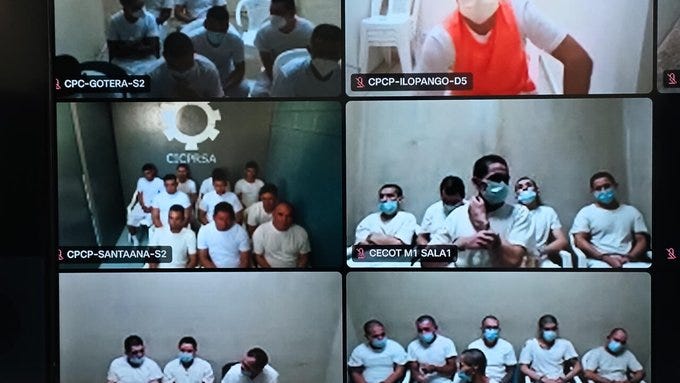
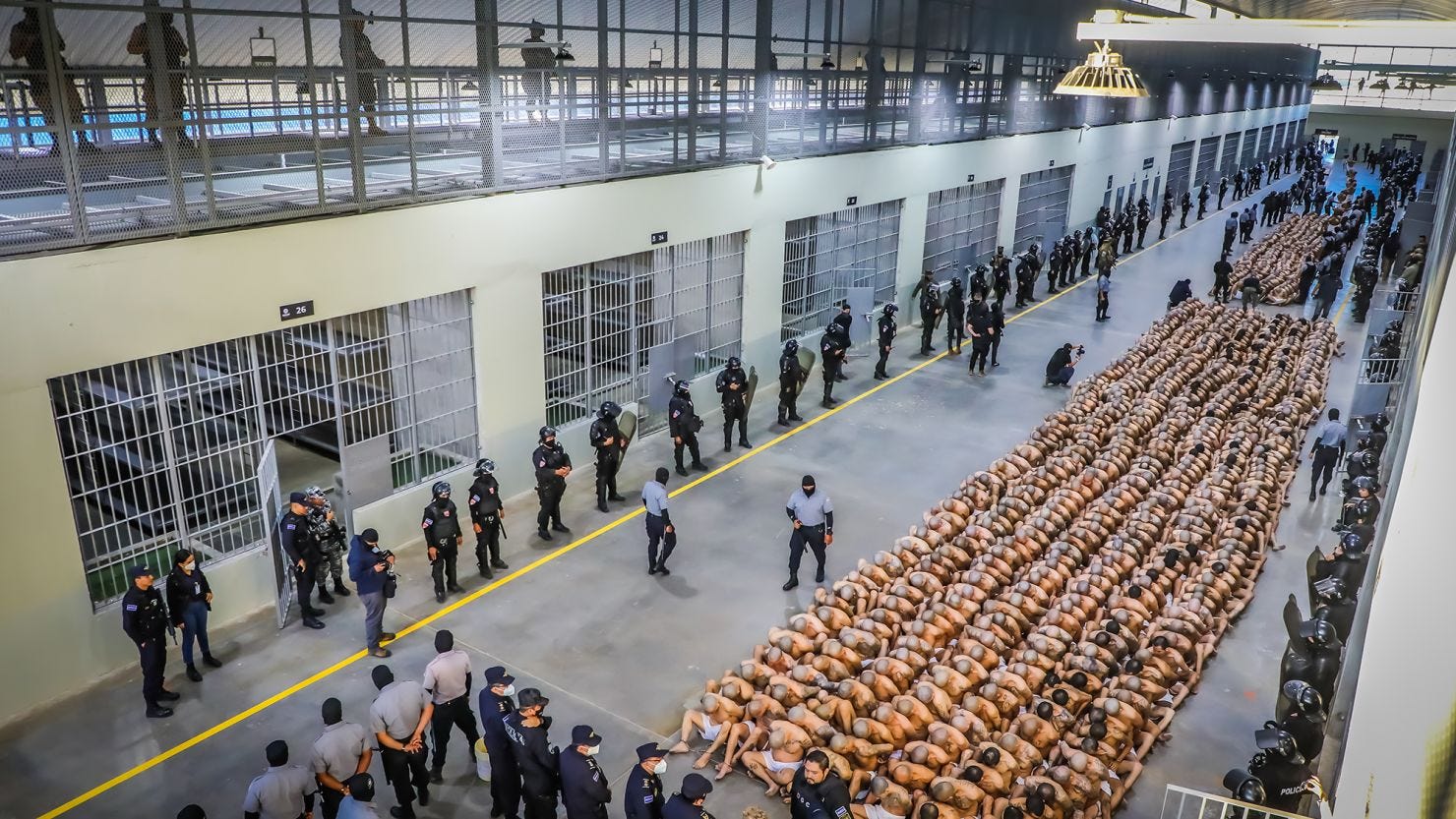
As El Salvador holds mass video trials that include youths arrested for playing video games they claim “show gang affiliation,” Ecuador is bombing dairy farms in joint operations with US special forces and torturing the workers.
“Reports of security force abuses such as arbitrary detentions and extrajudicial killings are stacking up,” reports International Crisis Group in an overview of recent Ecuadorian actions, “while the government proclaims its proximity to the U.S. President Donald Trump and faith in military-led law enforcement.”
Venezuela is opening up blood-gold markets to US investors, who will be directly financing groups considered terrorist organizations by the US government.

Aggressive militarized operations in Mexico, such as in the case of the capture of “El Mencho,” are being hailed in Washington, D.C., as successes. The truth on the ground for the people who live in the communities where the New Generation Jalisco Cartel is striking back is much more complex, and that complexity isn’t making international headlines.
Chile’s new president, imitating the migration policies of US President Donald Trump, is starting plans to remove 100,000 undocumented Venezuelans from the country.
As Peru prepares to elect its fifth president in as many years, more than half of the lawmakers in Congress are facing investigations for corruption or other crimes. In response, lawmakers have grossly restricted the ability of prosecutors to bring cases against politicians in the country.
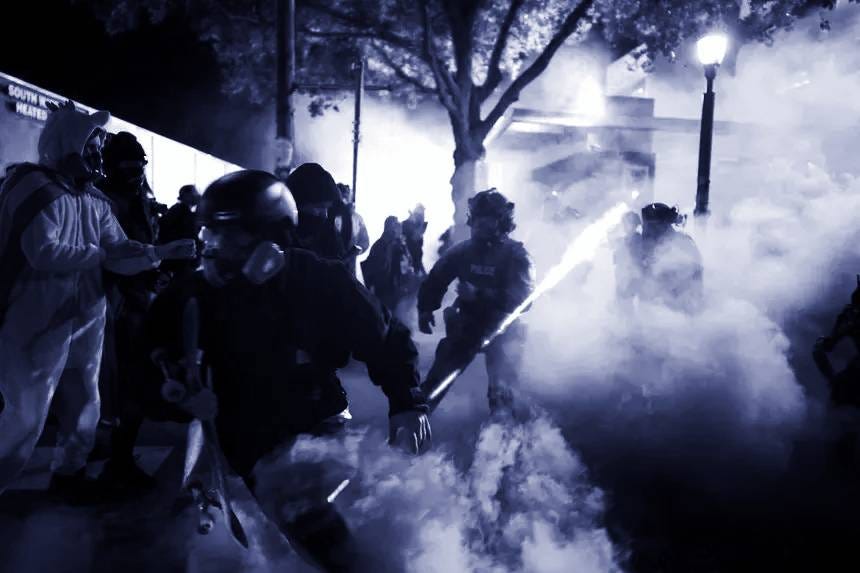
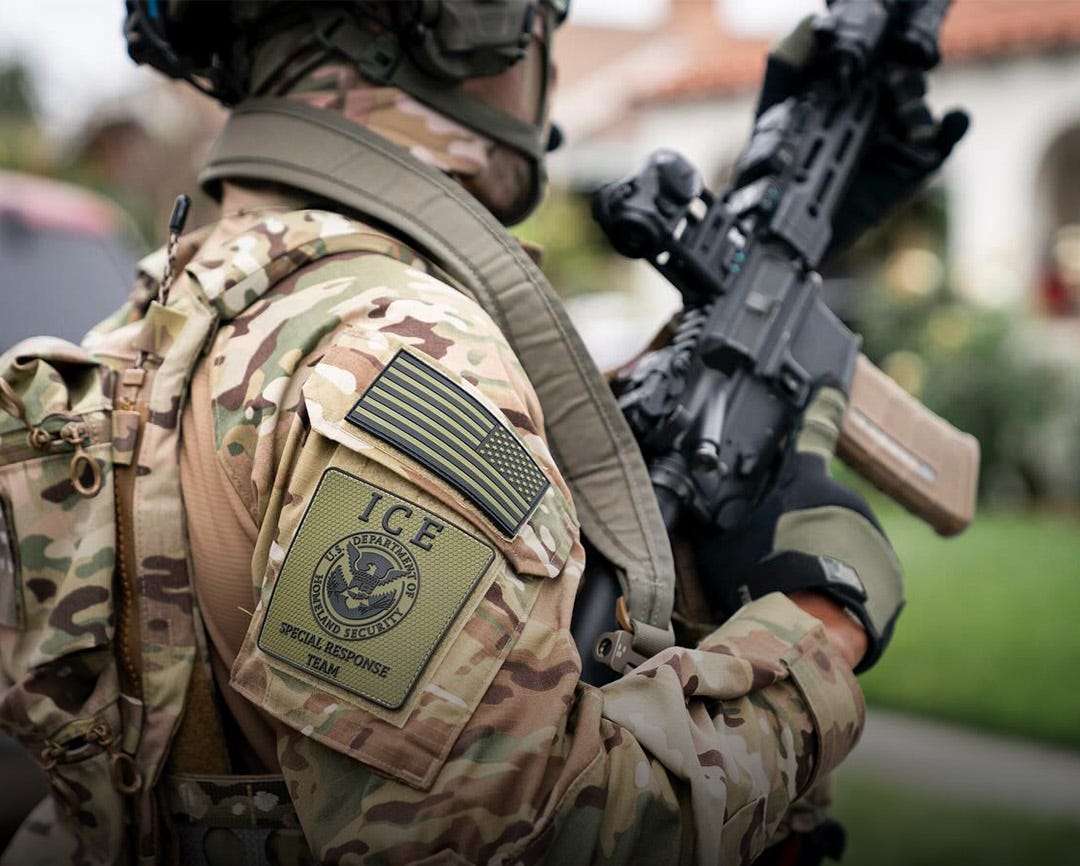
In the US, masked government agents kidnap tens of thousands of migrants from their homes, from schoolhouses, courts, and workplaces.
In the last six months, I’ve lost track of how many times I’ve written some variation of the following sentence: “State security forces are often unable to distinguish between criminal groups and non-state armed actors, and the civil populations in which they operate.”
Human rights abuses, consolidation of power among armed forces, and the hardening and militarization of borders are phenomena growing across the continent.
Which brings me back to my journalism beat. For nearly a decade now, I’ve covered conflict and migration in Colombia — a beat that has meant I’ve seen the results of these policies before.
Militarized actions in Colombia, for decades, have failed to stop the growth of cocaine production or the growth of non-state armed groups. They have, however, resulted in security forces killing thousands of innocent people, and then claiming those killed were rebel fighters.
They have also resulted in government forces intentionally bombing children, multiple times in fact. Most recently in November.
Perhaps most worryingly, the politicians imposing these policies are winning elections despite the fact that in every country outside of El Salvador, the policies aren’t lowering crime rates, or even slowing the growth of organized crime.
Despite the failure of these policies to deliver results, politicians continue to successfully sell them to their respective electorates. Voters are led to believe migrants, growing insecurity, or organized crime are a threat grave enough to merit policies that strip them of basic civil rights.
Migrants especially make an excellent scapegoat. The vast majority of them can’t vote, and citizens who can are often all too happy to vote their rights away first.
But it goes beyond just border enforcement, though that is indeed a common entry point to rising authoritarianism. Politicians, across the political spectrum, are seizing power in a way that is going to be very difficult to reverse.
In the language of risk assessment, it is “very likely” that many of these power grabs across the Americas are irreversible. In the US, Democrats have made it clear that they do not intend to impose any real reform on the Department of Homeland Security, which controls ICE.
They merely promise more training and that it will be different when they are in control once again.
El Salvador has greenlighted President Nayib Bukele holding the office for life, and the “temporary” security emergency that allows for the broad dismantling of civil rights shows no signs of going anywhere
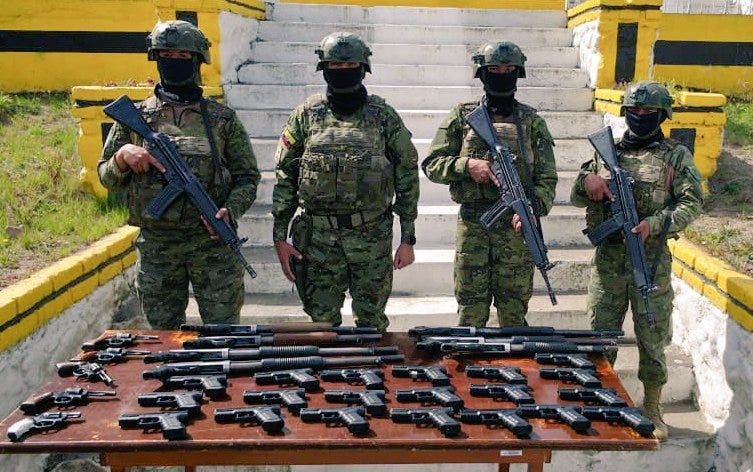
“Operation Total Extermination” in Ecuador, carried out in conjunction with US forces, is yielding no results in terms of lowered crime rates or the growth of armed groups and organized crime. But it is still being praised in Quito and D.C.
Venezuela, well, is Venezuela, a dynamic that all sides have made clear isn’t going to change anytime soon. And Mexico seems completely determined to continue down the road of militarization started by AMLO, and now being championed by Sheinbaum.
The thing about institutions that seize power is that once they have it, they do not give it up willingly. This trend carries across ideologies and political parties.
The outlook, regionally, is not good. But there is resistance. By and large, it isn’t coming from institutions. It is happening in rural areas of Cauca, Colombia, among communities that have long been ignored by wealthy elites in Bogota.
It is happening in El Salvador, as journalists, even as they are persecuted by an emerging dictatorship, continue to investigate the abuses of a President drunk on power who governs via meme.
It is happening in Minneapolis, where grass-roots organizers defeated DHS tactically, strategically, politically, and in terms of optics. And they saved thousands of people from being kidnapped in the meantime.
As opposition parties across the region sit on the sidelines, grassroots movements from North to South America are pushing back. I often wonder if this was always the inevitable endpoint of the systems we’ve built.
The incremental power creep has been going on for decades. The police states are not new. Latin America has clawed its way out of dictatorships before, but they were always replaced by a model imposed by the rest of the world instead of a new vision.
Perhaps it is finally time for something new.
You can also donate a one-time gift via “Buy Me a Coffee”. It only takes a few moments, and you can do so here.
And if you can’t do any of that, please do help us by sharing the piece! We don’t have billionaire PR teams either.
Hasta pronto, piratas!