Colombian Presidential Elections Sunday
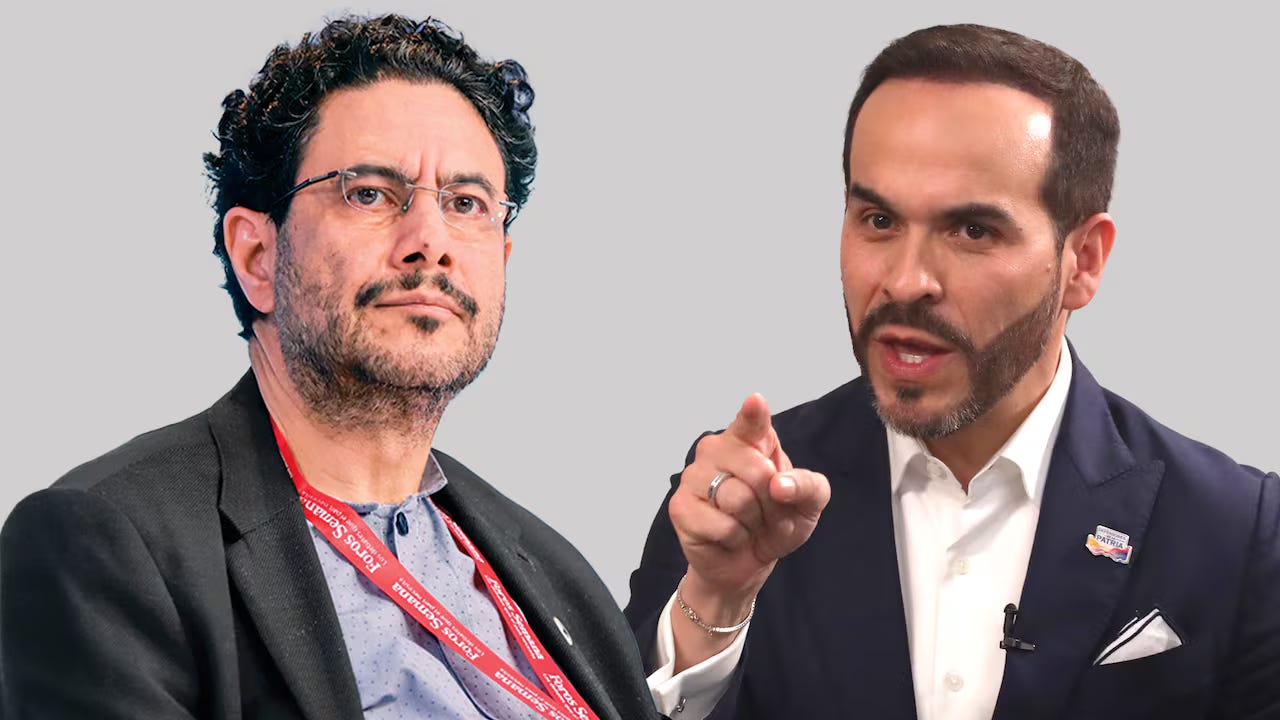
The formerly three-way race in Colombia, according to recent polls, has likely come down to a face-off between leftist Senator Ivan Cepeda and ultra-right outsider Abelardo de la Espriella.
De la Espriella has surged recently in polls at the expense of his main opponent on the right, right-wing Senator Paloma Valencia.
At PWS we did a profile on the self-proclaimed “Tiger" yesterday, but the developments keeps rolling in. Sunday night de la Espriella was endorsed by right-wing businessman and notorious vote-buyer, Alex Char.

The Char clan holds considerable power on the northern coast, including a sophisticated “get-out-the-vote” machine that has often veered into the gray areas of electoral law. The endorsement is much more than symbolic — it puts right-wing “machinaría,” built over decades, behind the ultra-right wing candidate in the second round.
Meanwhile, Sunday night Colombian journalists exposed payments of over a quarter of a million dollars to Abelardo from Chavista minister Alex Saab, now detained in the US after being extradited from Venezuela over money-laundering charges.
De la Espriella, a defense attorney, represented Saab in Colombian courts over similar charges..
Cuba: blockade tightens as does rhetoric
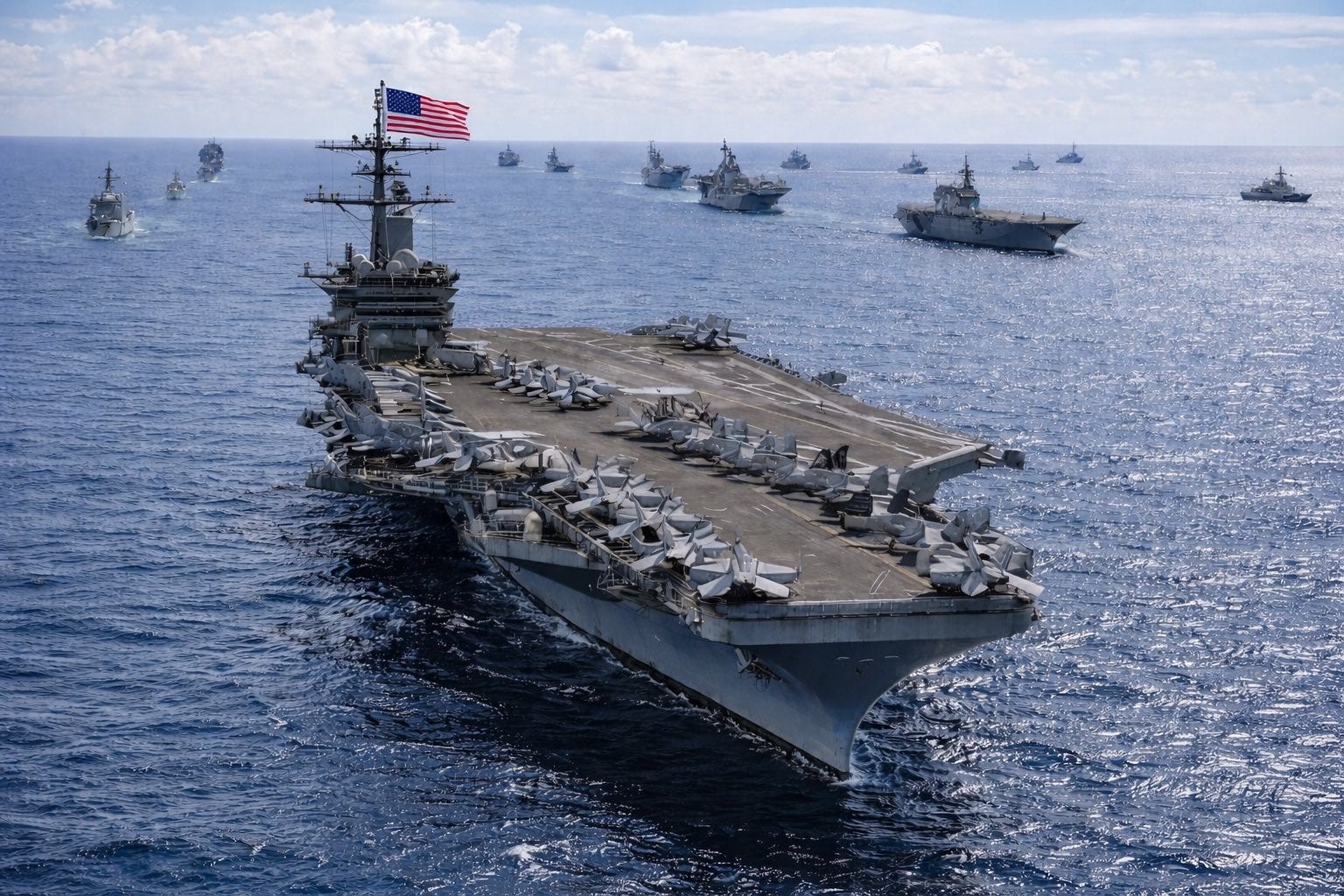
Trump’s fuel blockade on the Caribbean country has depleted critical fuel and food supplies. This week, Cuba received the first of three humanitarian shipments from China, expected to total 60,000 tons of rice.
Cuban President Miguel Diaz-Canel thanked China in public statements, as well as the European Union, which has condemned the illegal US blockade.
In response the the statement, Colombian President Gustavo President called on his government to “spare what can be spared” in a humanitarian mission to Cuba as well, congratulating China on their efforts.
Rubio called Cuba a “threat” to the entire hemisphere this week, and Trump again dropped cryptic comments about a potential “deal”, or regime change. He isn’t sure.
Aggressive US “Gunboat Diplomacy” in Latin America seems well received by leaders who consider themselves Trump allies, like Milei and Bukele, but it is polarizing much of the rest of the region, who resent what they view as Imperialistic efforts to impose US priorities on the country through violence and threats.
Bolivia: Protests aren’t ending any time soon
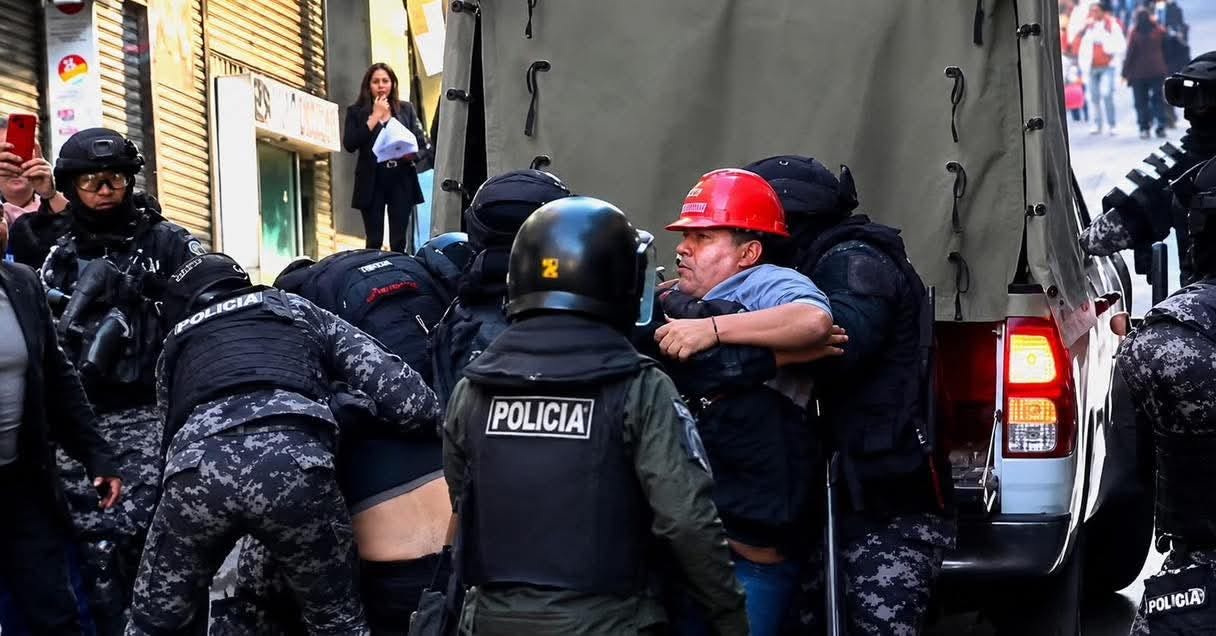
Growing protests in Bolivia have blocked roads across the country and effectively shut down the capital, La Paz. Demonstrators are hoping to put pressure on Bolivia’s right-wing President Rodrigo Paz to resign just six months after taking office over his government’s austerity measures, with his alignment with the US another divisive issue.
The government has increasingly demonized the mostly indigenous led movement in recent weeks as “criminals” and “narco-terrorists,” and portrayed them as led by former Bolivian President Evo Morales.
Though Morales does indeed command influence among some unions and trade groups, particularly in Cochabamba, most of Bolivia’s left abandoned the former leader after MAS splintered.
We have a feature due out this week from a reporter on the ground in La Paz about how much influence Morales really carries. More on that soon. But for now, he makes a convenient scapegoat for a government in danger of being toppled by its own people.
The Other Big Headlines in LATAM
In Ecuador, right-wing President Daniel Noboa took advantage of his State of the Union address to promise further extraditions of criminals to the US, and assured voters that his crackdowns on civil society are providing security gains. They are not.
The US indicted former Cuban President Raúl Castro over his role in the shooting down of a plane in Cuban airspace carrying anti-government exiles more than 30 years ago. The BBC has a piece this week explaining the incident in detail: it didn’t happen quite as DC claims.
US Senator Bernie Moreno is advocating for the nullification of voting rights for large swathes of Colombia in upcoming elections. In a conversation with the Atlantic Council think tank, Moreno said that “I want to encourage the government, the CNE specifically, to consider voter intimidation as a disqualifying event for some of the ballot results in some parts of the country that are not secure.” Our sister-org Colombia reports has more on the topic.
The US carried out a military training exercise in the Venezuelan capital of Caracas which included the deployment of Osprey helicopters and military personnel. It was widely viewed as a show of power in a country they attacked in January.
You can also donate a one-time gift via “Buy Me a Coffee”. It only takes a few moments, and you can do so here.
And if you can’t do any of that, please do help us by sharing the piece! We don’t have billionaire PR teams either.
Hasta pronto, piratas!