


It’s a fresh new year, and the crew from Pirate Wire Services is back, rested from shore leave and setting out on the high seas of independent journalism once again! And it is sure to be an adventurous, if at times perilous, journey.
Latin America is always unpredictable, and there will surely be a host of developments no one saw coming. But there are also some long-term situations that bear paying attention to, as well as a host of critical elections that will determine the future of a region that, like much of the rest of the world, is increasingly politically divided.
Venezuela
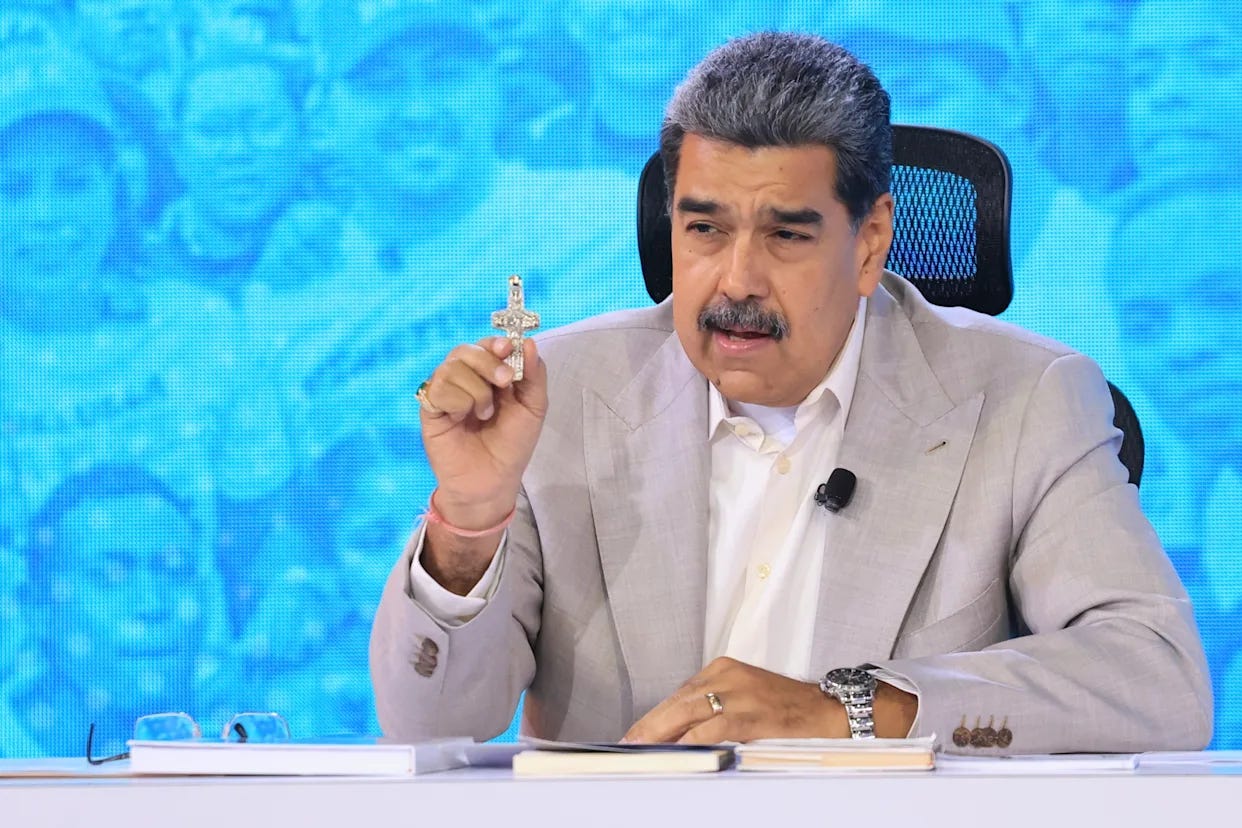
If you’re a regular PWS reader, you know that we have been covering the political, social, and economic situation in Venezuela for years. It features prominently in our coverage because the Venezuelan-Colombian borderlands are where Joshua cut his teeth as a journalist a decade ago, and how he became so interested in borders and migration globally.
PWS has since brought our readers to a dozen countries, and covered topics ranging from social issues to women’s and LGBTQ+ rights (largely thanks to our intrepid pirata Daniela), politics, protests, conflict, armed groups, and cultural issues.
But Venezuela will always hold a special place in all of our hearts. All of us in the PWS crew have close friends from there. And most of us still have close friends and contacts within the country as well.
So it is with much concern and interest that we provide coverage and context on a country that is certain to be one of the major Latin American stories of 2026.
US President Donald Trump has made contradictory statements on his policy in Venezuela. But with the largest US naval deployment in Latin America in decades imposing a quasi-blockade on oil shipments from the country, and unconfirmed reports of a US strike within Venezuela itself, one thing is clear: the US is ratcheting up pressure on the government of Venezuelan President Nicolas Maduro.
We’ve long stopped trying to predict what the US will actually do in the region. Trump’s claims about Venezuela seem to be ever-changing, and are often at odds with public statements by his Secretary of State, Marco Rubio, and fiercely nativist special advisor (and dabbler in white supremacy), Stephen Miller.
Trump’s policies have also often been at odds with themselves. Drone strikes on unarmed vessels that the US claims are smuggling illegal drugs, which have now killed more than 110 civilians, were first pitched as a way to pressure Maduro into stepping down from power.
But in recent months, the vast majority have been occurring in the Pacific Ocean, often targeting vessels leaving from Colombia. The US has provided no evidence of their claims that the growing number of those killed were “narco-terrorists”, a term that they have also, apparently intentionally, not clearly defined.
Even the quasi-blockade, which has so far seized two tankers carrying Venezuelan oil and chased another halfway around the world, is already creating impacts.
As many potential oil clients choose less risky ports, food prices in the country are rising fast, and within a month, Venezuela’s state-owned oil company will be out of places to store the crude oil and petroleum products they produce.
Although a US land invasion grows ever-increasingly unlikely, the US has made it clear that it will continue to look for new ways to punish the Maduro government.
Migration
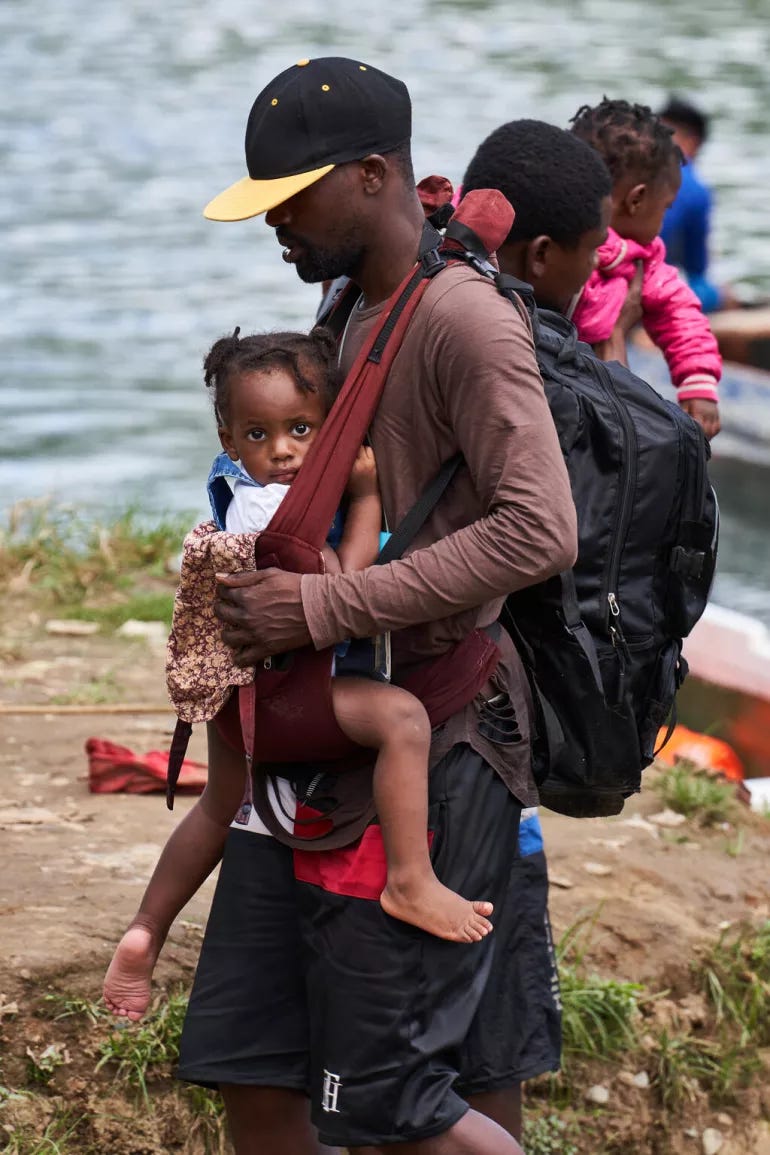
This topic goes far beyond just the Americas, though draconian crackdowns in the US are clearly the most visible; borders are tightening across the world. In Latin America, however, US policies are changing migration patterns.
Those still determined to head north, despite Trump’s intentionally cruel deterrence policies, are being pushed into ever more dangerous and less monitored routes. Meanwhile, many migrants who once dreamed of life in the US have given up.
More than half a million people crossed the Darien Gap, the dense jungle crossing between Panama and Colombia, in 2024. In 2025, that number plummeted to thousands.
Maritime routes developed briefly along both Panamanian coasts, but US drone strikes quickly made smallboat captains wary of international waters. Migration north hasn’t stopped. It likely never will. But the patterns and routes are changing faster than journalists and NGOs can develop information about them.
Meanwhile, many hundreds of thousands of migrants who were trapped in Mexico have given up and returned south, creating an “inverse migration” back into South America.
By their very nature, trends in 2026 will be unpredictable. During Trump’s first term in office, southern border crossings plummeted to almost zero, then began slowly climbing — a trend that continued for the rest of his presidency.
US policies, however, have grown even more cruel, and for those crossing remote areas of the Southwestern borderlands, even more deadly.
The real story to watch, however, is how US policy is reshaping migration patterns outside of the US. Some Latin American countries are already preparing for another Venezuelan exodus, while others, like Chile, are threatening to expel hundreds of thousands of Venezuelans.

A year of elections
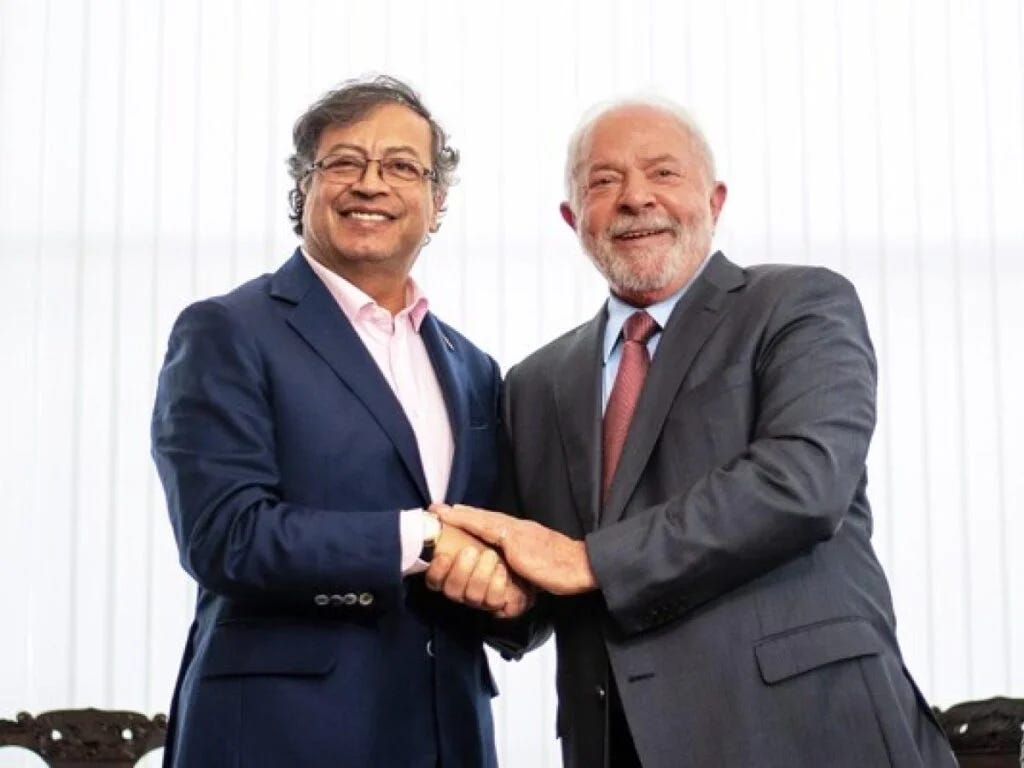
Brazil, Colombia, Costa Rica, Haiti, and Peru will all hold presidential elections in 2026. Much has been written about a series of victories for the right in Latin America. Will that trend continue? The White House has made it clear they intend to campaign and, at times, even directly interfere with elections in the region, and Trump and Rubio seek to increasingly support allies and pressure those they view as critics.
Brazil and Colombia, especially, will be bellwethers. Both currently have leftist presidents who have often been viewed as thorns in the side of Washington, especially Gustavo Petro in Colombia.
US agencies are very likely to strongly support whoever emerges as the right-wing frontrunner in both countries, and an anti-incumbent trend in the region may well help them do so.
But though Petro seems relatively unpopular at first glance, his popularity has risen in recent months, to a 44% approval rating. A series of popular measures that he seems to have been saving for his lame-duck period, such as permanent raises to the minimum wage tied to what his party calls a “living wage”, and reforms to national education grants that previously went primarily to economic elites, are adding to that momentum.
He is currently more popular than 9 of the last 10 Colombian presidents when they left office. Only Uribe had a higher approval rating, though he wields far less influence in the country than he used to after a series of scandals and criminal trials.
The left has chosen a strong candidate in Ivan Cepeda, a well-known senator and activist, while the right and liberals have yet to coalesce around single leaders.
For more information on the candidates and the mechanics of the elections in all four countries, the Americas Society has an excellent write-up that is worth reading in full.
DHS DHS DHS

We spent much of 2025 publishing a weekly update about ICE in the US that quickly mission-spiraled into full-blown coverage of border patrol, resistance, the Department of Homeland Security, civil rights, migration in the Americas, and the consolidation of totalitarian policies in the US.
We’re going to continue that coverage in a slightly different format and focus, starting next week. We believe this information is critical to the public interest, not only in the United States, but in Latin America as well, as those policies are creating reverberating effects across the entire region (as well as some copycat strategies).
We’re still trying to think of a name as clever as the “ICE capades”. But don’t worry. We have faith in ourselves. If you have a suggestion, please do drop it in the comments.
In the meantime, welcome back piratas. Batten the hatches and trim the sails. Stow well your belongings. Because this year is likely to be rough sailing.
But rough seas are what we excel at. Hasta pronto!

You can also donate a one-time gift via “Buy Me a Coffee”. It only takes a few moments, and you can do so here.
And if you can’t do any of that, please do help us by sharing the piece! We don’t have billionaire PR teams either.
Hasta pronto, piratas!
